Now Accepting New PatientsAppointments available — book your first visitBook now Mon–Wed 9–5 · Fri 8–2801-893-1010
← All conditions

Back & spine · Patient guide

Sciatica

Sciatica describes pain, tingling, numbness or weakness related to irritation of the sciatic nerve or the spinal nerve roots that form it, usually traveling into one leg.

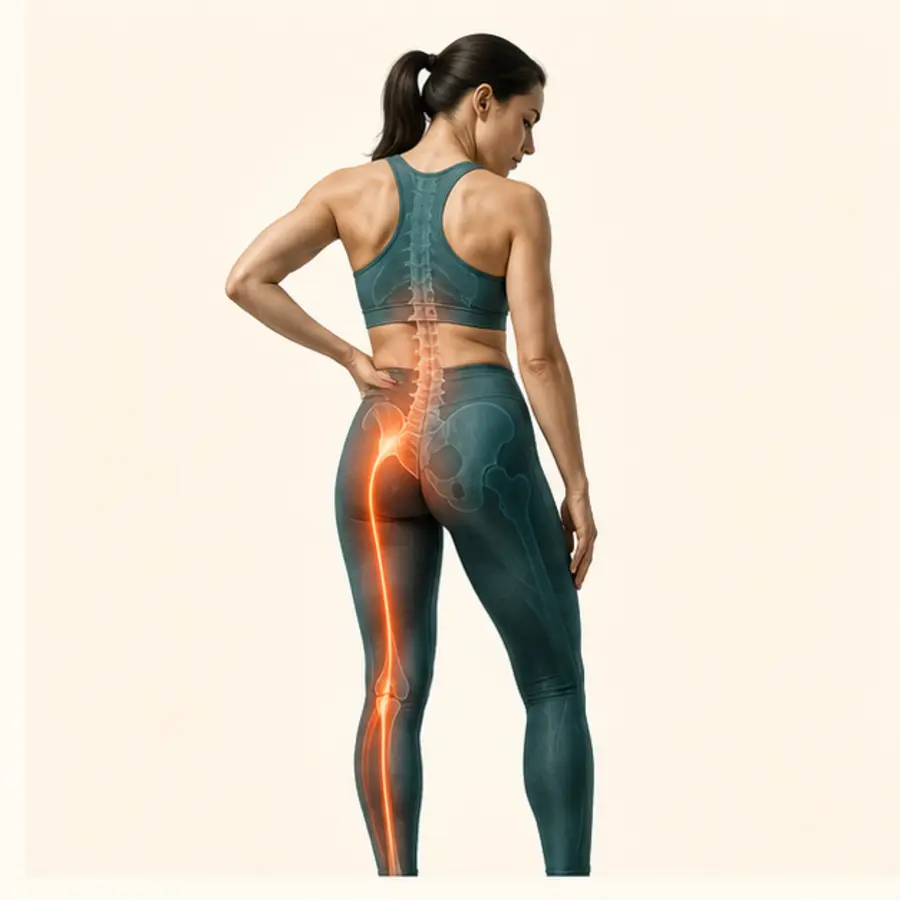
Medical illustration of sciatic nerve pain and sciatica treatment in Lehi Utah

The basics

What It Is & How Common It Is

Sciatica describes pain, tingling, numbness or weakness related to irritation of the sciatic nerve or the spinal nerve roots that form it, usually traveling into one leg.

Sciatica commonly affects one side and may travel into the back or side of the thigh, calf or foot. Symptoms can change with sitting, bending, coughing or particular movements. A disc problem or narrowing around a spinal nerve may contribute, but symptoms and examination findings—not an imaging result alone—help guide care.

Health information source: MedlinePlus sciatica overview

Common questions

Sciatica FAQs

What does sciatica feel like?

It may cause pain, tingling, numbness or weakness that travels from the lower back or buttock into one leg, sometimes reaching the calf or foot.

Is every pain that travels down the leg sciatica?

No. Hip problems, muscles, joints and other nerves can produce similar symptoms. Examination findings help distinguish the likely source.

Should I stretch the sciatic nerve?

Forceful stretching can aggravate nerve-related symptoms. Use comfortable, symptom-guided movement and stop if pain, tingling or numbness travels farther down the leg.

When does sciatica require urgent care?

Seek emergency care for bowel or bladder changes, saddle-area numbness, rapidly worsening weakness or symptoms affecting both legs.

Practical next steps

What You Can Do—and How We Can Help

At home

Start With Sensible Self-Care

  • Keep up comfortable walking if tolerated
  • Avoid long periods in one position
  • Use symptom-guided movement rather than forcing stretches that send symptoms farther down the leg
  • Monitor changes in strength and bladder or bowel function
At our Lehi office

Care Built Around Your Findings

  • Examine leg strength, reflexes, sensation and walking
  • Identify movements that calm or aggravate symptoms
  • Use comfortable manual care and progressive exercise when appropriate
  • Recommend medical referral or imaging when findings indicate it

Safety first

When to Get Medical Help Quickly

Seek emergency care for new loss of bowel or bladder control, difficulty beginning urination, numbness around the groin or saddle area, rapidly increasing leg weakness or symptoms affecting both legs.

A clear plan starts with an evaluation

Ready to Talk About Your Sciatica?

We’ll listen, assess your movement and explain whether care at our office is a good fit.