
Conditions we evaluate
Understand the Symptom. Find the Right Next Step.
Explore common concerns, practical self-care and how our Lehi office may help. We see patients from Lehi, Highland, Alpine, American Fork, Draper and nearby Utah County communities. These guides are educational and do not replace an individual diagnosis.
Head & neck
3 guides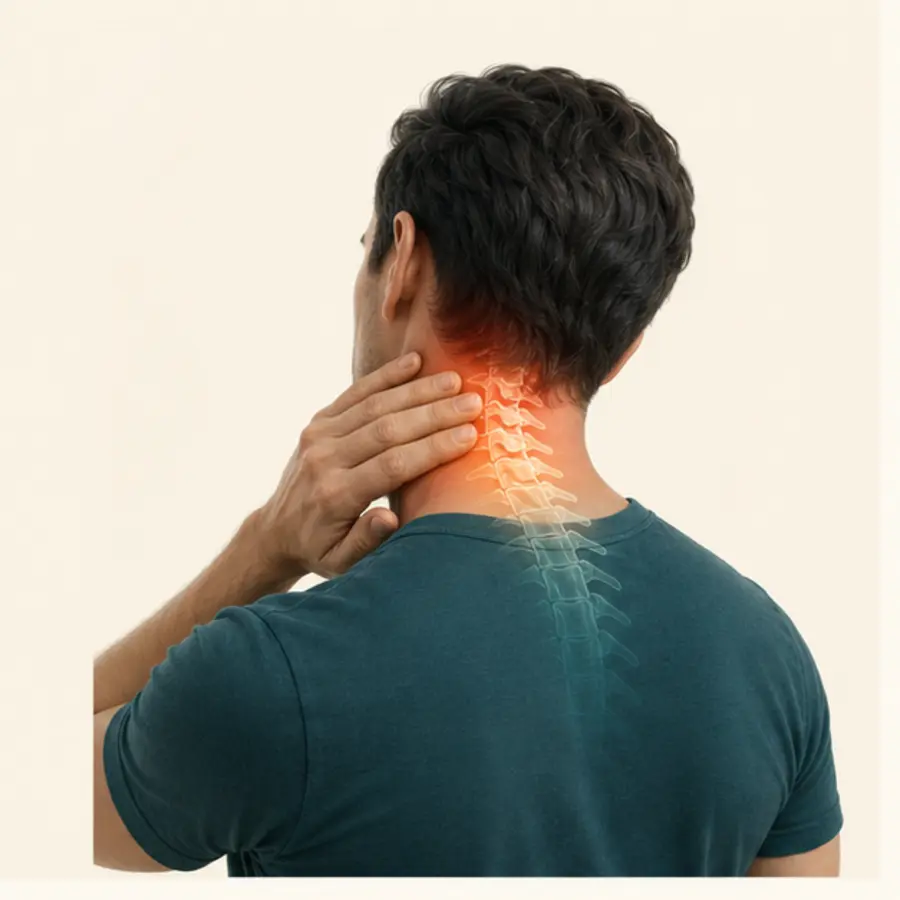
Neck Pain
Neck pain can make it difficult to turn your head, sleep comfortably, work, drive or exercise. Symptoms may stay in the neck or travel toward the shoulder, upper back or arm.
Read the condition guide →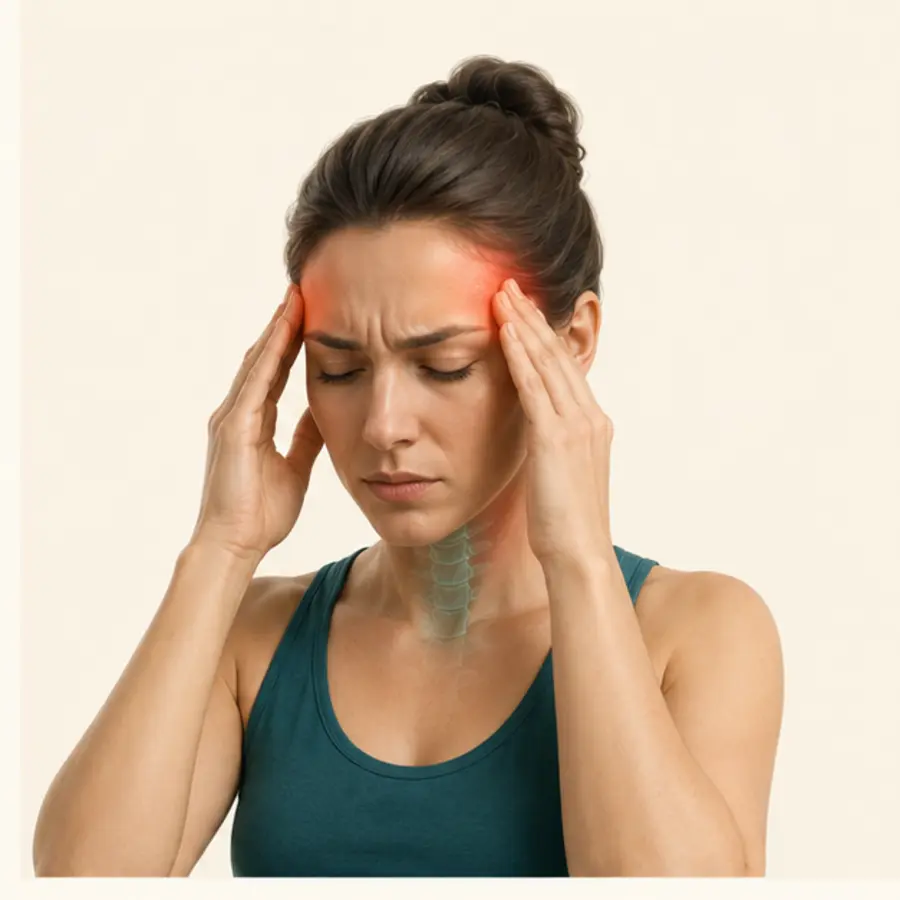
Headaches
Headaches have many possible causes. Common patterns include tension-type headache, migraine and headache associated with the neck, while other patterns need medical evaluation.
Read the condition guide →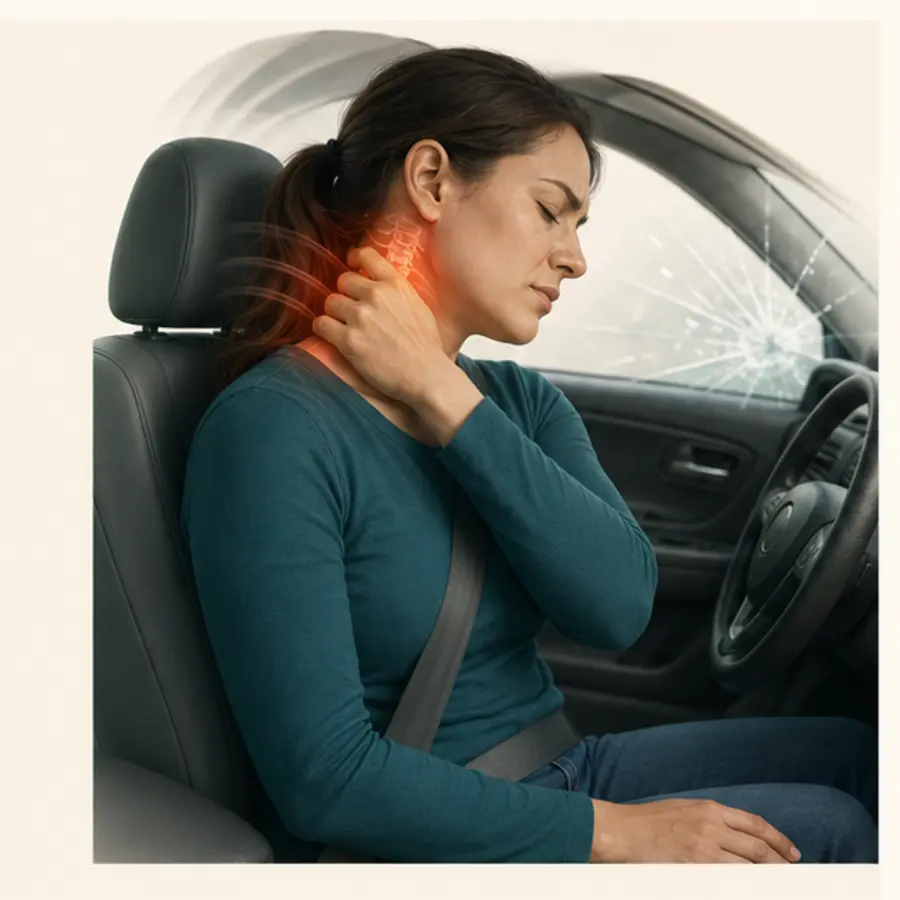
Whiplash
Whiplash is a neck injury caused by rapid acceleration and deceleration, most often during a motor-vehicle collision but also possible after a sports collision, fall or other sudden impact.
Read the condition guide →Back & spine
3 guides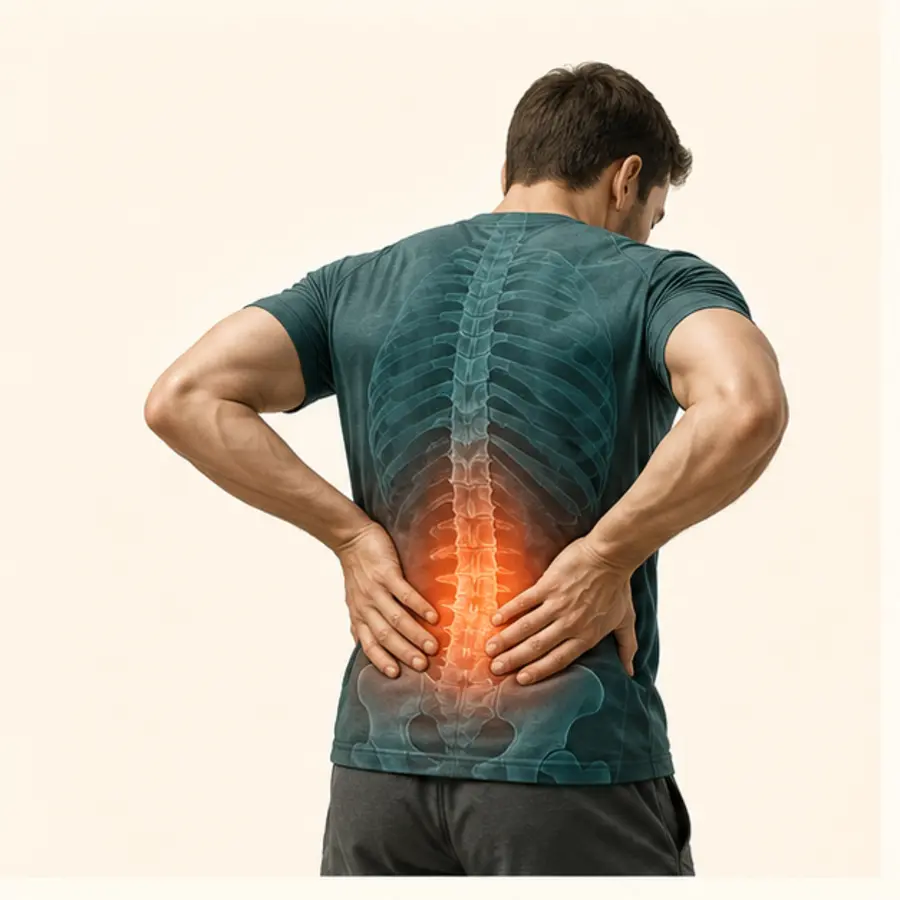
Low Back Pain
Low back pain can interfere with sitting, sleeping, lifting, exercising and getting through the workday. It may begin suddenly or build gradually without one obvious injury.
Read the condition guide →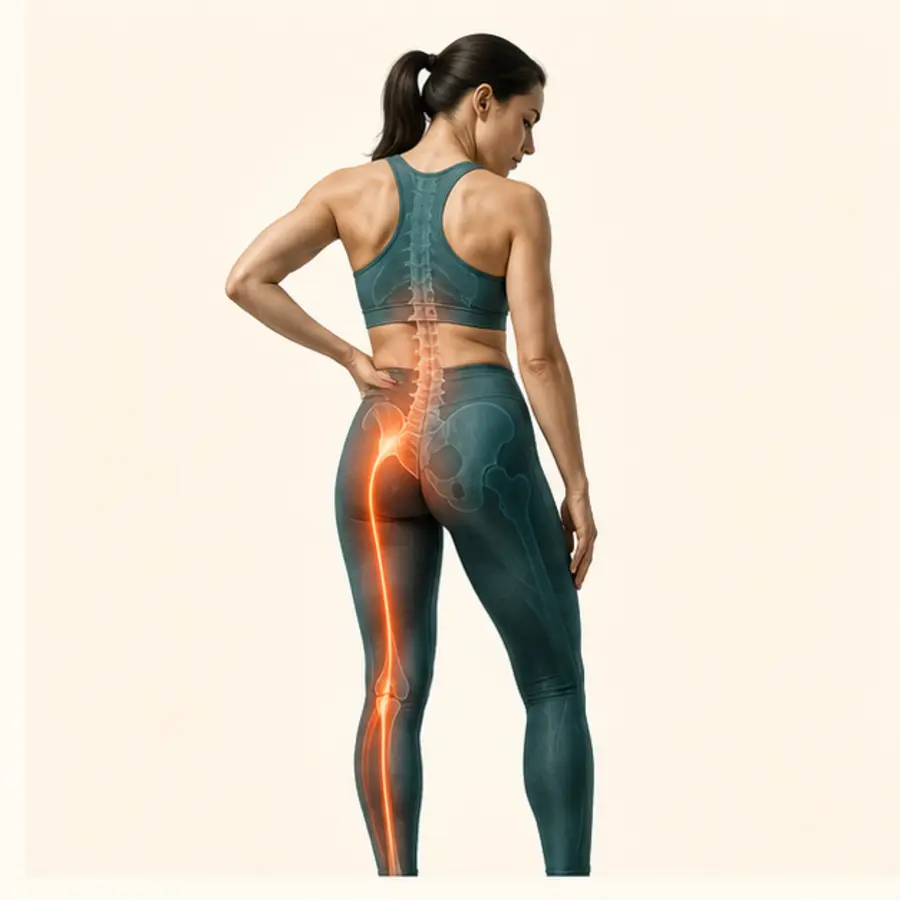
Sciatica
Sciatica describes pain, tingling, numbness or weakness related to irritation of the sciatic nerve or the spinal nerve roots that form it, usually traveling into one leg.
Read the condition guide →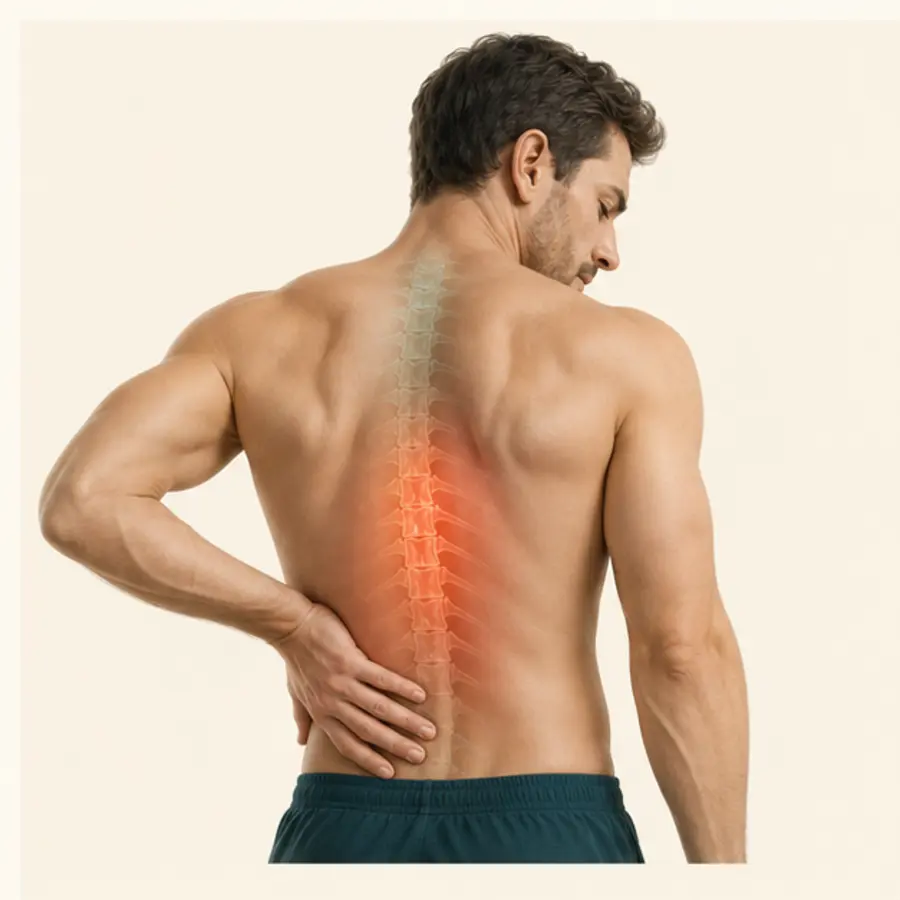
Mid-Back Pain
Mid-back or thoracic pain may feel like stiffness between the shoulder blades, a localized ache, sharp pain near a rib or discomfort with twisting, reaching or deep breathing.
Read the condition guide →Shoulder, elbow, wrist & hand
3 guides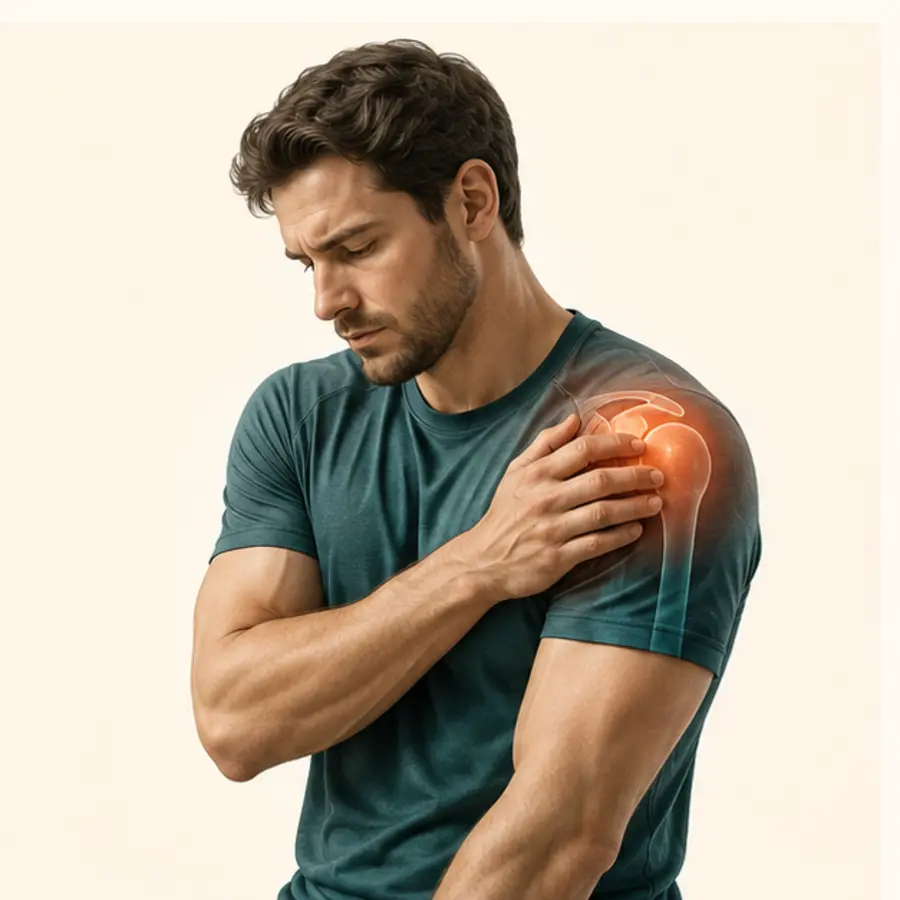
Shoulder Pain
Shoulder pain can make reaching, lifting, throwing, dressing and sleeping uncomfortable. Symptoms may involve the rotator cuff, bursa, shoulder joint or nearby muscles—or may be referred from the neck.
Read the condition guide →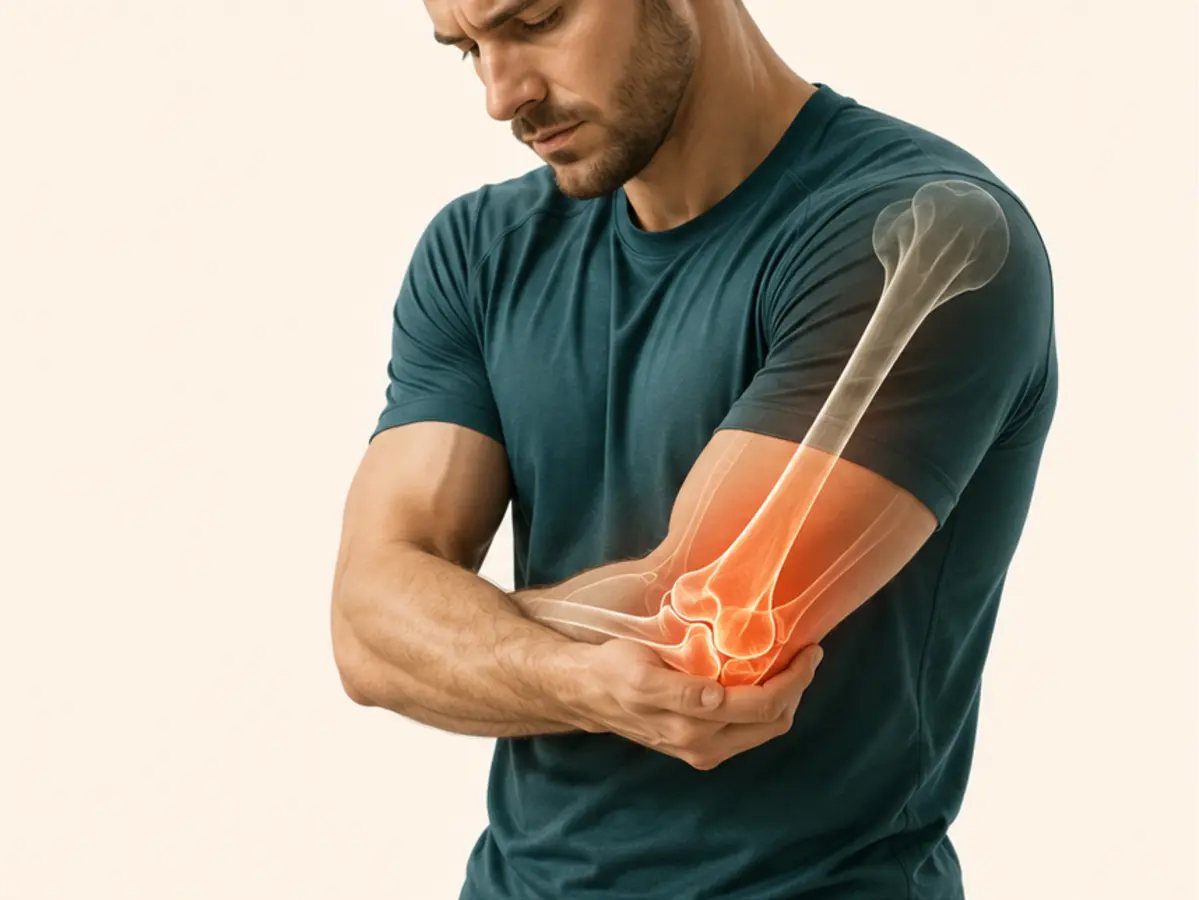
Elbow Pain
Elbow pain can interfere with gripping, lifting, throwing, racquet sports and everyday work. The location of the pain—and whether numbness or weakness is present—helps narrow down the likely source.
Read the condition guide →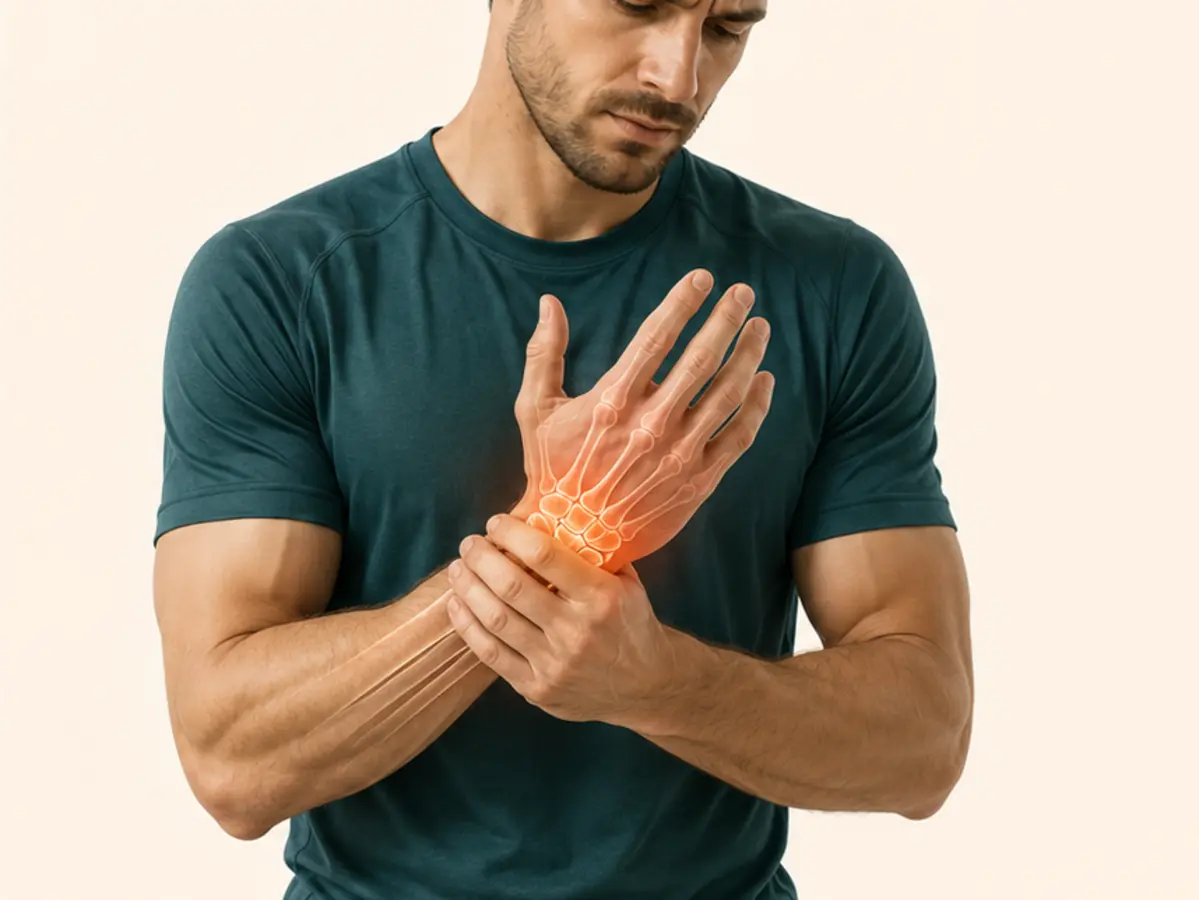
Wrist & Hand Pain
Wrist and hand pain may involve joints, tendons, ligaments, fractures or nerves and can interfere with gripping, typing, lifting and fine hand movements.
Read the condition guide →Hip, knee, ankle & heel
4 guides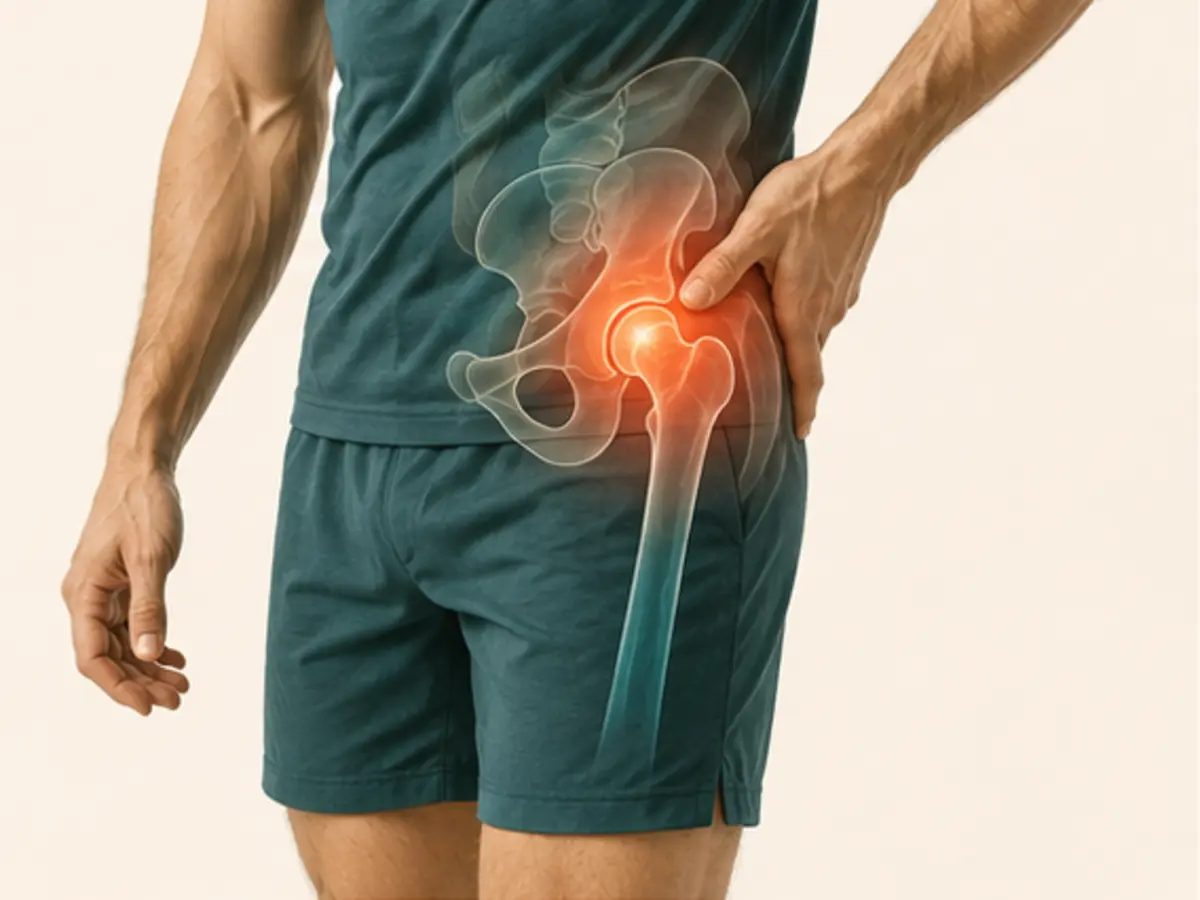
Hip Pain
Hip pain may be felt in the groin, outside of the hip, buttock or upper thigh and may involve the joint, muscles, tendons, bursa or symptoms referred from the low back.
Read the condition guide →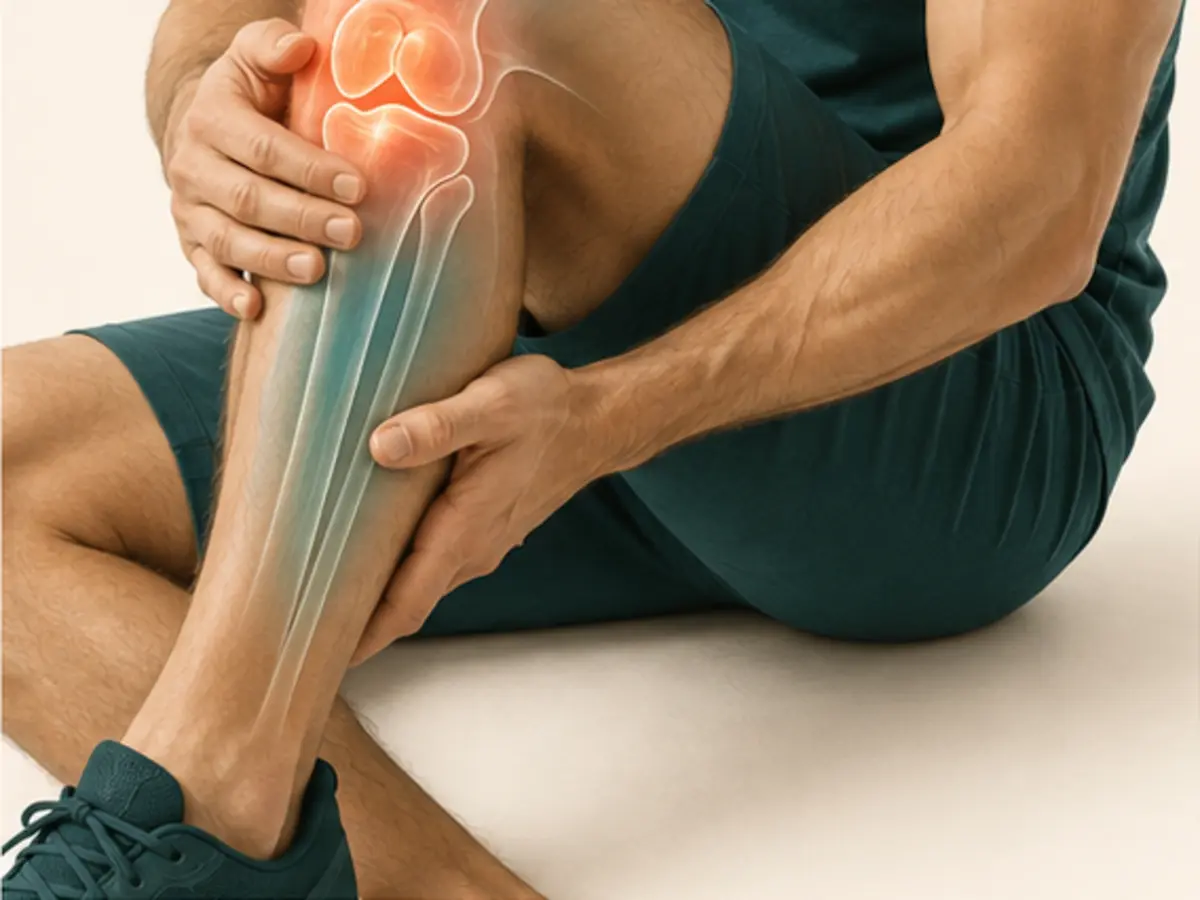
Knee Pain
Knee pain may involve the kneecap, tendons, meniscus, ligaments, joint surfaces or symptoms referred from another area and can affect stairs, squatting, running and pivoting.
Read the condition guide →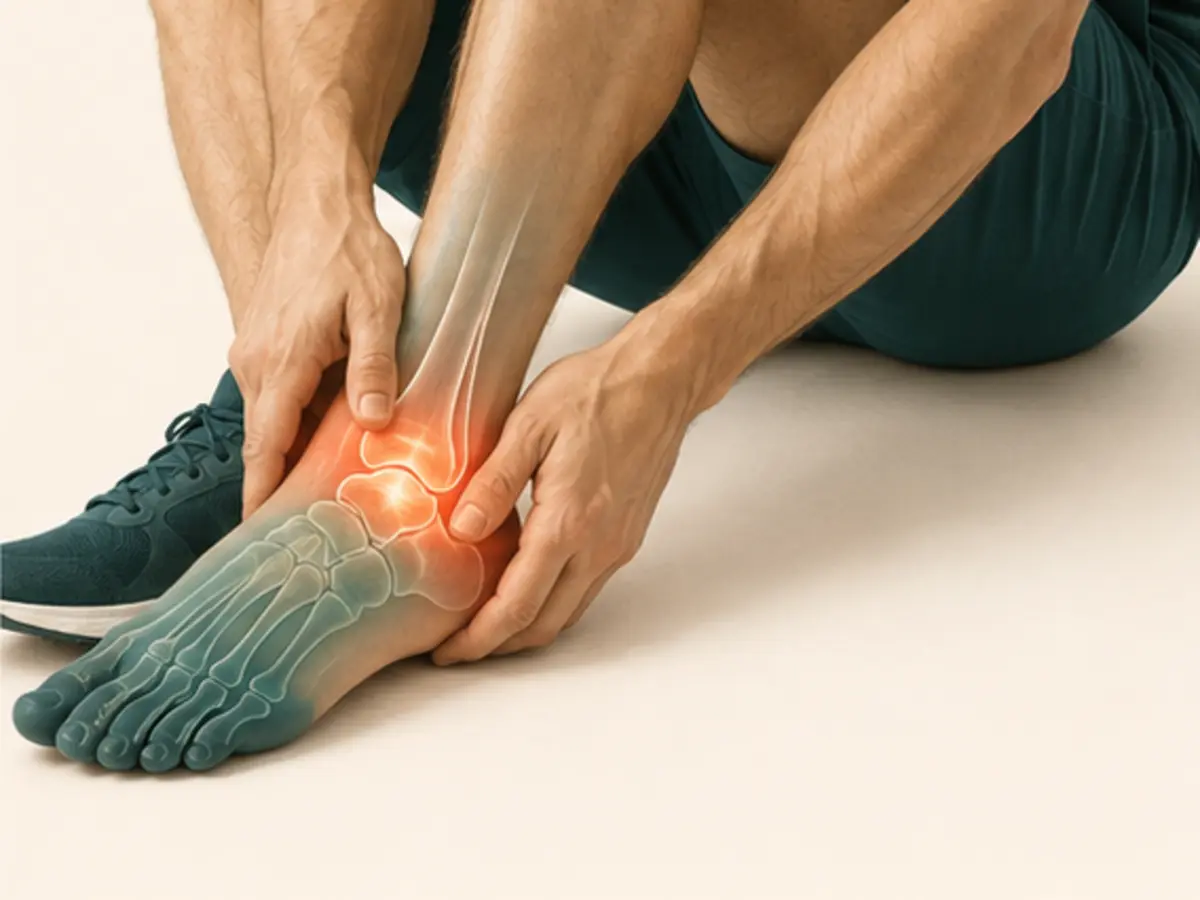
Ankle Pain
Ankle pain commonly follows a ligament sprain but may also involve a fracture, tendon, cartilage, joint or nerve irritation.
Read the condition guide →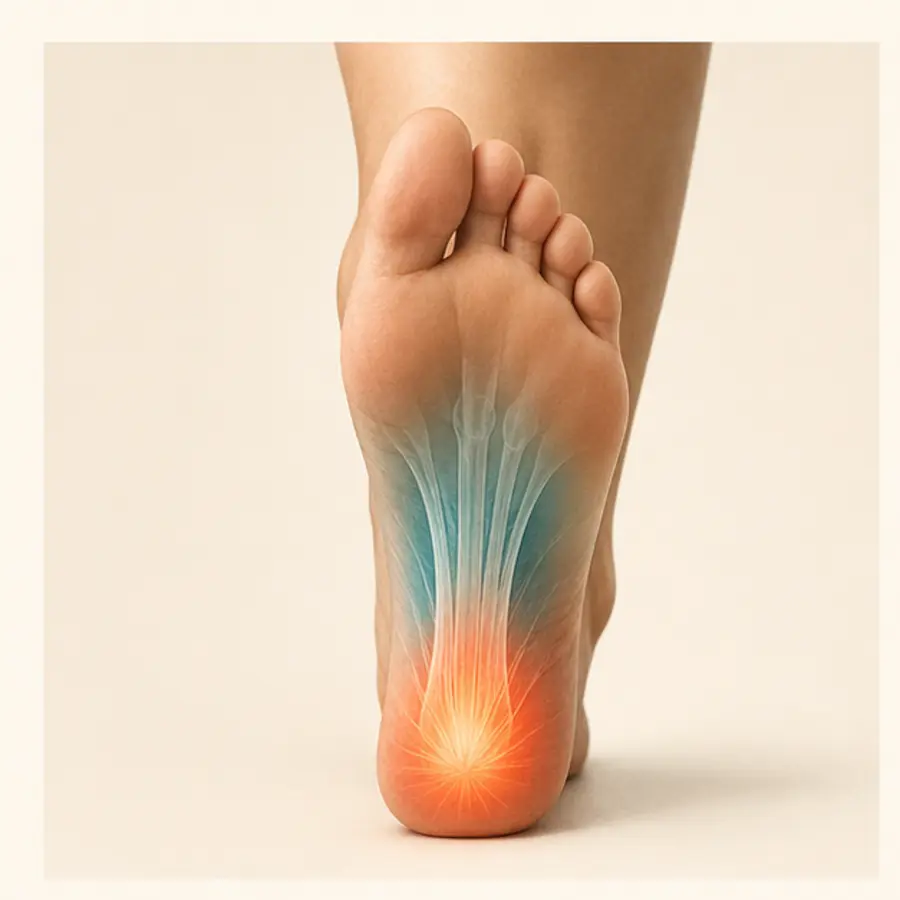
Plantar Heel Pain
Pain underneath the heel—often worse with the first steps after sleeping or sitting—commonly involves the plantar fascia, but not every case of heel pain is plantar fasciitis.
Read the condition guide →Sports, accidents & work
4 guides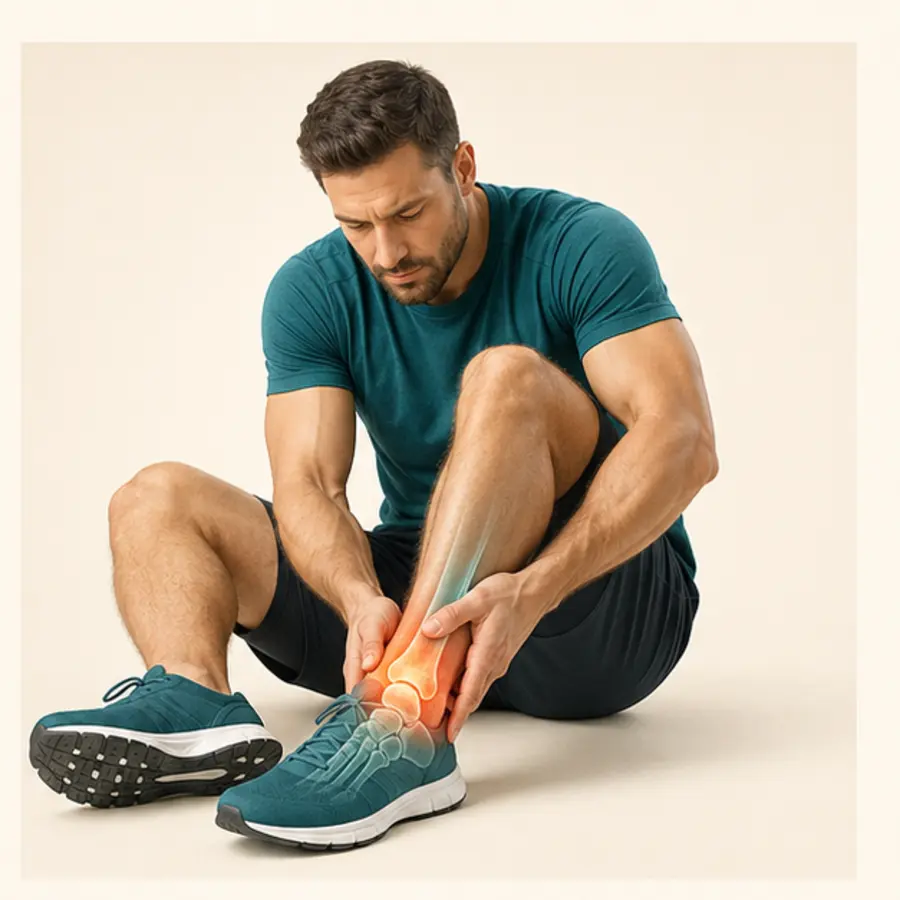
Sports Injuries
Sports injuries include sudden sprains, strains and joint injuries as well as tendon and overuse problems that build when training demand exceeds recovery and current capacity.
Read the condition guide →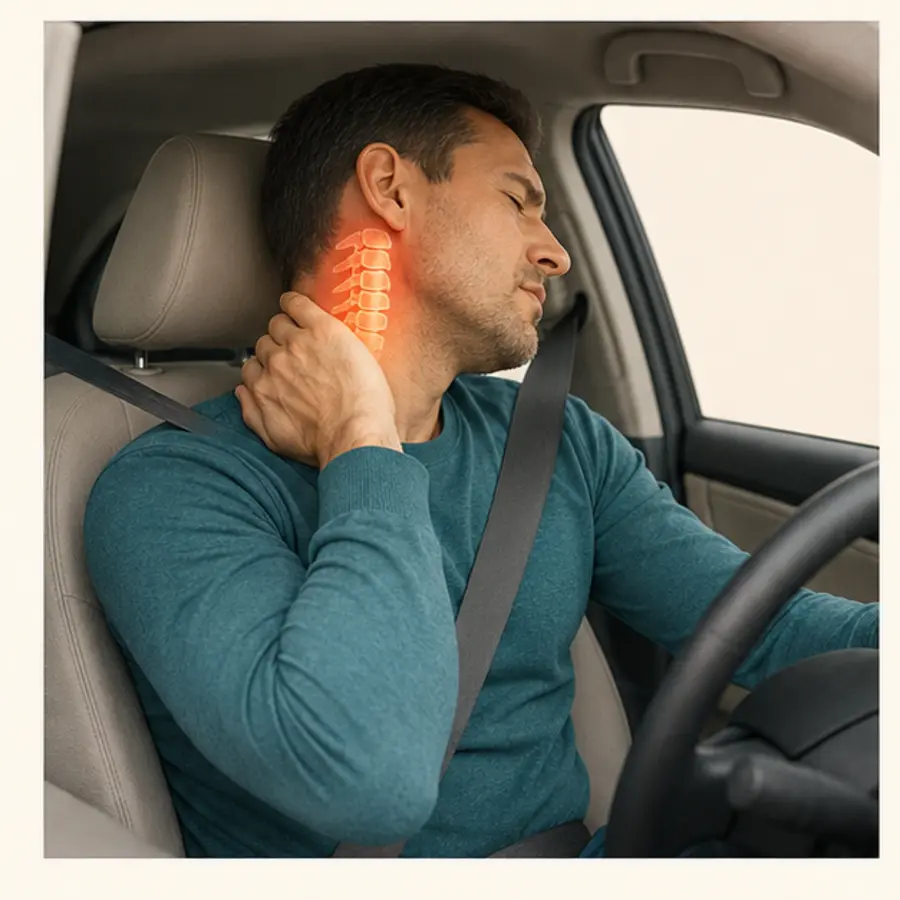
Auto Accident Injuries
A collision may affect the neck, back, head, shoulders, ribs and extremities—even when pain, stiffness or concussion symptoms are not immediate.
Read the condition guide →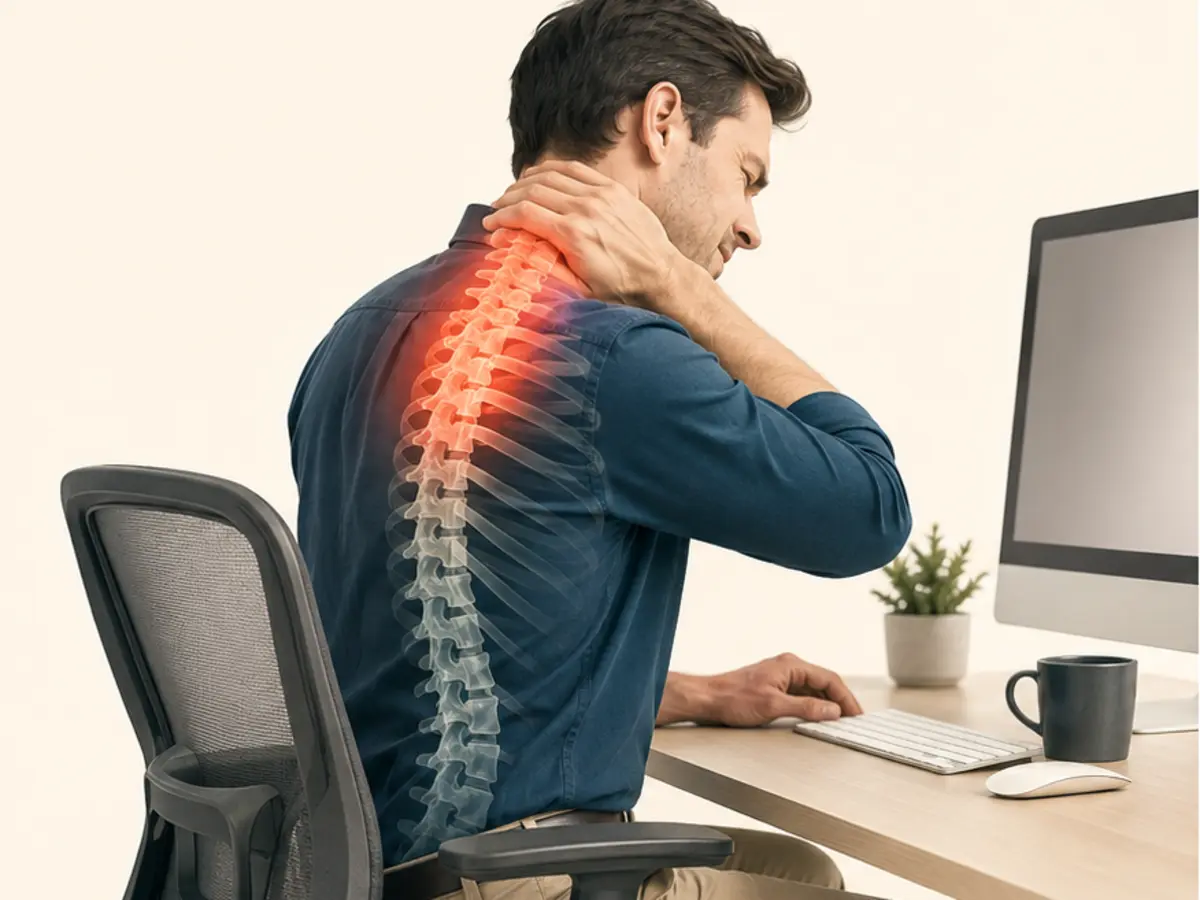
Desk Pain
Desk and computer work can contribute to neck, back, shoulder, wrist and headache symptoms when time in one position, repetitive tasks and work demands exceed current tolerance.
Read the condition guide →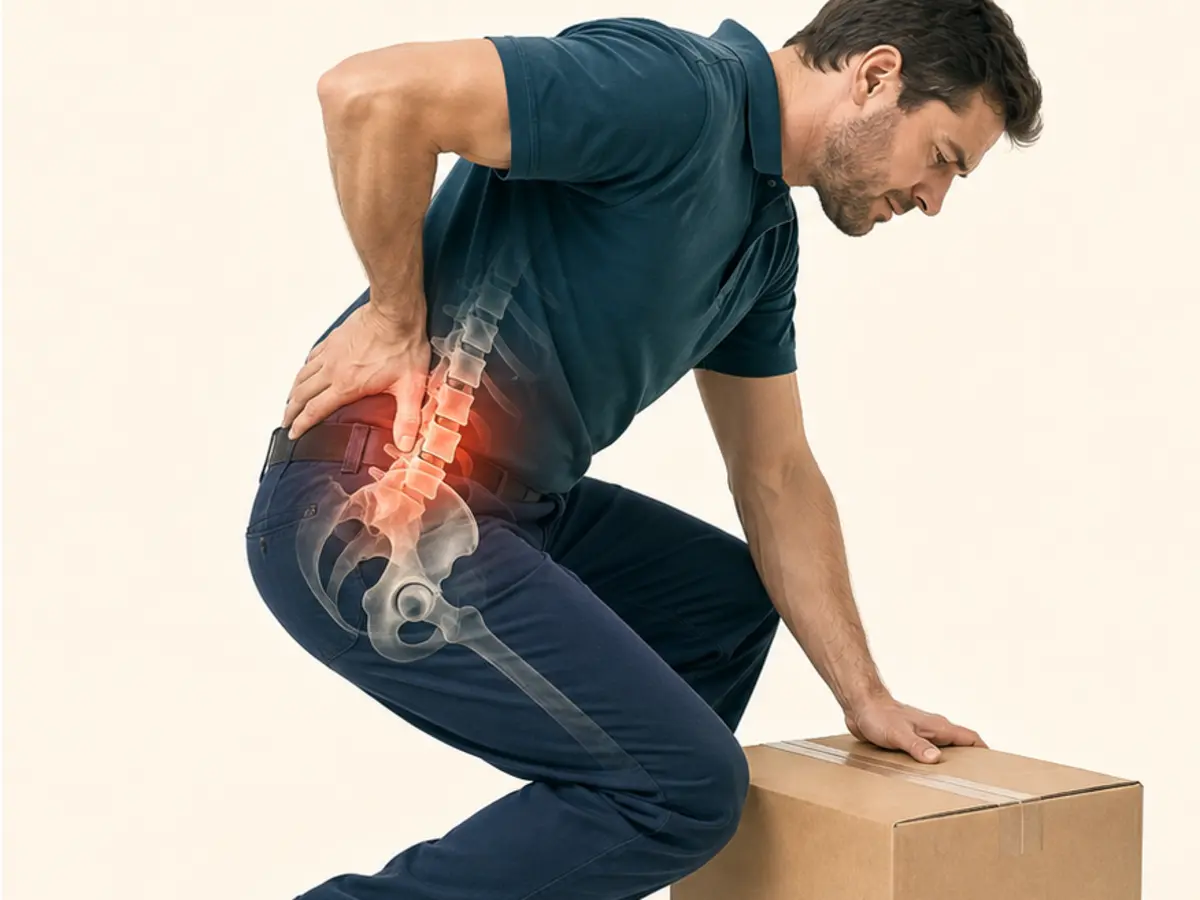
Lifting & Physical Work Pain
Construction, warehouse work, healthcare, landscaping, parenting, yardwork and home projects can cause sudden strains or gradually overload the back, neck, shoulders and limbs.
Read the condition guide →Know when to seek urgent care
Some Symptoms Should Not Wait
Call 911 or seek immediate medical evaluation for severe trauma, chest pain, difficulty breathing, signs of stroke, new bowel or bladder loss, saddle numbness, rapidly worsening weakness, loss of consciousness, seizure, repeated vomiting, confusion or a sudden severe headache.