
Now Accepting New PatientsAppointments available — book your first visitBook now Mon–Wed 9–5 · Fri 8–2801-893-1010
← All conditions

Head & neck · Patient guide

Headaches

Headaches have many possible causes. Common patterns include tension-type headache, migraine and headache associated with the neck, while other patterns need medical evaluation.

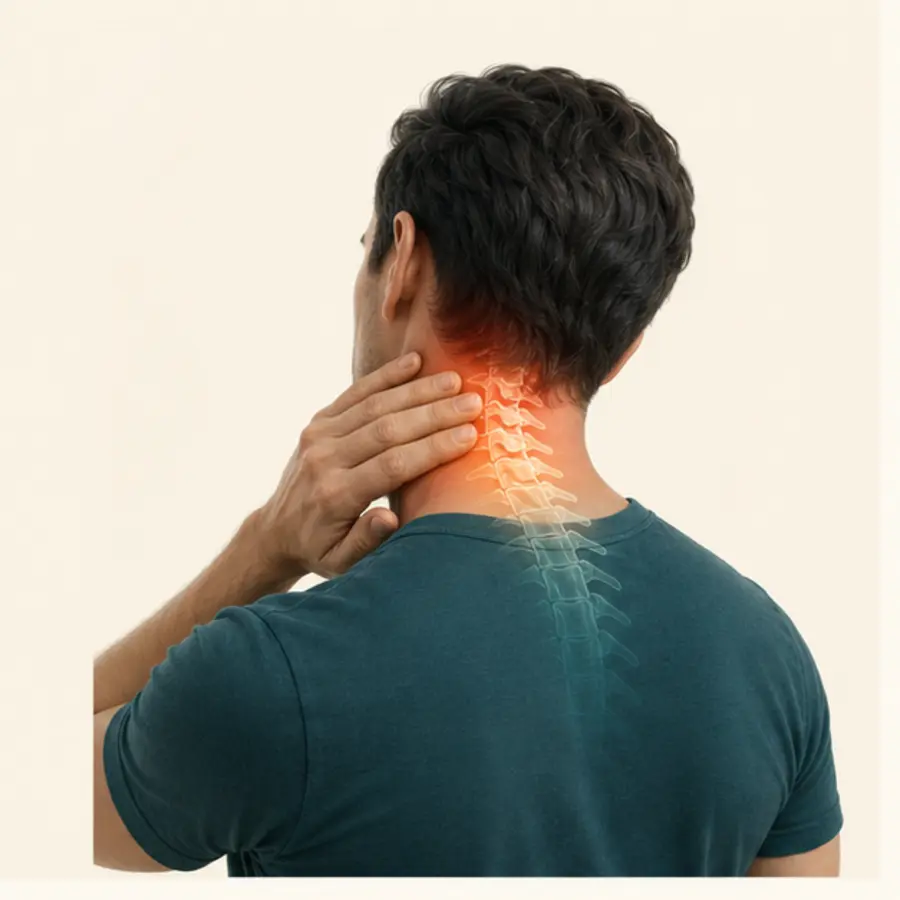
Medical illustration of headache and neck tension care in Lehi Utah

The basics

What It Is & How Common It Is

Headaches have many possible causes. Common patterns include tension-type headache, migraine and headache associated with the neck, while other patterns need medical evaluation.

Tension-type headaches often feel like pressure or tightness. Migraine may include throbbing pain, nausea or sensitivity to light and sound. A cervicogenic headache is associated with a problem in the neck and may be influenced by neck movement or position. Chiropractic care is not appropriate for every headache, so the history, associated symptoms and warning signs are reviewed before care is recommended.

Health information source: MedlinePlus headache overview

Common questions

Headaches FAQs

What types of headaches may be related to the neck?

Cervicogenic headaches are associated with a problem in the neck. Some tension-type headaches also occur with neck and shoulder tension, but migraine and other headache disorders have different causes.

Can chiropractic care help every type of headache?

No. Care may be considered when examination findings suggest a neck-related component. Migraine, post-traumatic headache or an unexplained changing pattern may require medical evaluation or coordinated care.

When is a headache an emergency?

Call 911 for a sudden worst-ever headache or a headache with weakness, trouble speaking, confusion, fainting or seizure. Prompt care is also important after head injury or with fever and a stiff neck.

What should I track before an evaluation?

Note when headaches begin, how long they last, their location and intensity, possible triggers and symptoms such as nausea, light sensitivity, dizziness, visual changes or neck pain.

Practical next steps

What You Can Do—and How We Can Help

At home

Start With Sensible Self-Care

  • Track timing, triggers and accompanying symptoms
  • Keep regular sleep, meals and hydration
  • Take movement breaks and relax the jaw and shoulders
  • Follow medication guidance from your medical clinician
At our Lehi office

Care Built Around Your Findings

  • Screen first for patterns that require medical referral
  • Assess neck motion and whether movement influences symptoms
  • Use appropriate manual care and exercise when neck factors are present
  • Coordinate medical or concussion evaluation when needed

Safety first

When to Get Medical Help Quickly

Call 911 for a sudden worst-ever headache or a headache with weakness, trouble speaking, confusion, fainting or seizure. Seek prompt medical care after a head injury or with fever and a stiff neck, repeated vomiting, new vision loss or a significantly different pattern.

A clear plan starts with an evaluation

Ready to Talk About Your Headaches?

We’ll listen, assess your movement and explain whether care at our office is a good fit.