Now Accepting New PatientsAppointments available — book your first visitBook now Mon–Wed 9–5 · Fri 8–2801-893-1010
← All conditions

Hip, knee, ankle & heel · Patient guide

Hip Pain

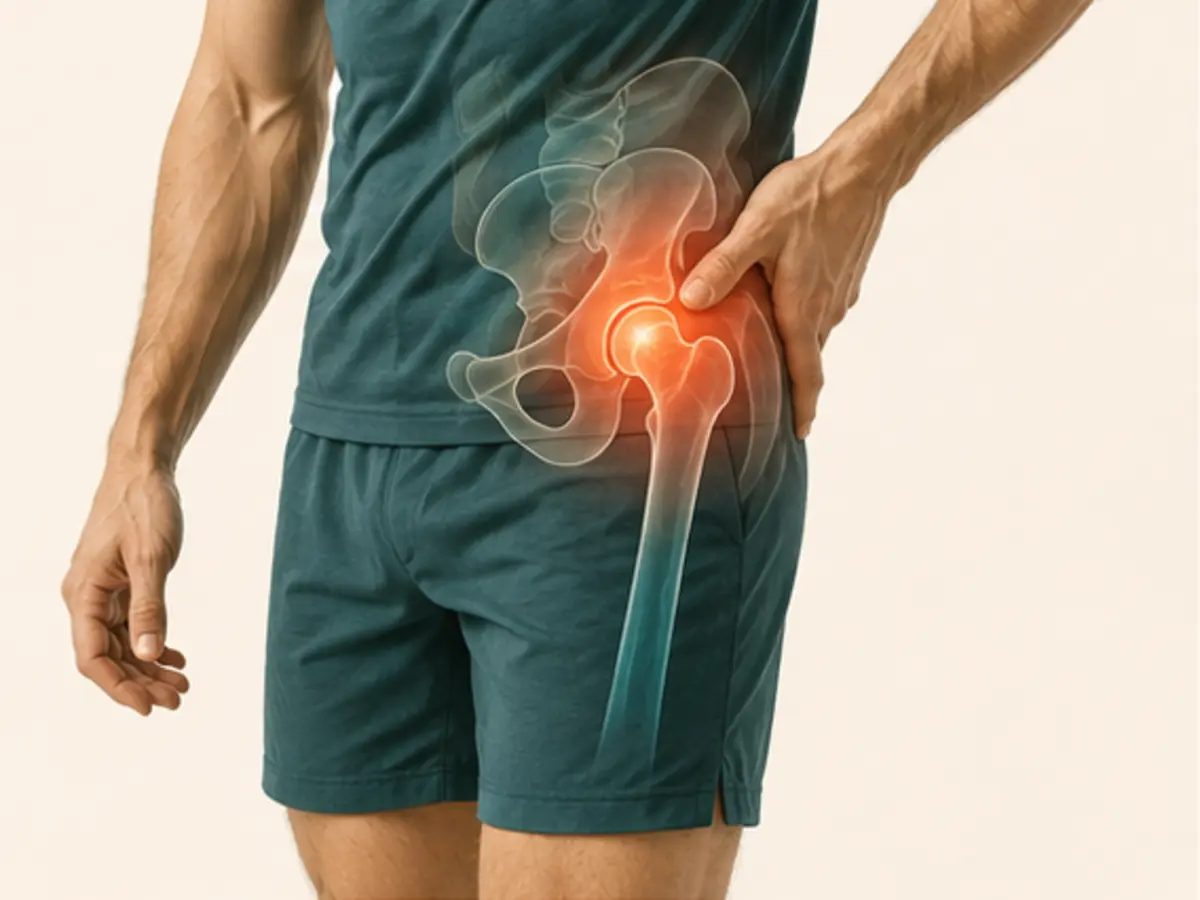
Hip pain may be felt in the groin, outside of the hip, buttock or upper thigh and may involve the joint, muscles, tendons, bursa or symptoms referred from the low back.

Healthcare illustration of an adult with hip pain for chiropractic care in Lehi Utah

The basics

What It Is & How Common It Is

Hip pain may be felt in the groin, outside of the hip, buttock or upper thigh and may involve the joint, muscles, tendons, bursa or symptoms referred from the low back.

Pain from the hip joint is often felt toward the groin, while pain along the outside of the hip may involve nearby tendons or soft tissue. Buttock pain, tingling or symptoms traveling down the leg may instead be related to the low back or a nerve. Age-related changes on an X-ray do not automatically explain every painful hip, so the evaluation focuses on symptoms, movement and function together.

Health information source: AAOS hip osteoarthritis overview

Common questions

Hip Pain FAQs

Can hip pain come from the lower back?

Yes. Low-back joints or nerves can refer symptoms toward the buttock, hip or leg. The evaluation compares the hip and lower back rather than relying on pain location alone.

Where is pain from the hip joint usually felt?

Hip-joint pain is often felt in the groin or front of the thigh, but presentations vary. Outside-hip pain and buttock pain may involve different tissues or be referred from another area.

Should I stretch a painful hip?

Gentle, comfortable motion may help, but repeatedly forcing a sharp or pinching stretch can increase irritation. Activity and strength should be rebuilt gradually.

When does hip pain require prompt medical care?

Seek prompt evaluation after significant trauma, if you cannot bear weight, or with sudden severe pain, a shortened or rotated leg, fever or a hot and swollen joint.

Practical next steps

What You Can Do—and How We Can Help

At home

Start With Sensible Self-Care

  • Keep moving within a comfortable range
  • Temporarily reduce the activity that clearly aggravates symptoms
  • Avoid repeatedly stretching into sharp pain
  • Rebuild walking, mobility and strength gradually
At our Lehi office

Care Built Around Your Findings

  • Compare hip and low-back findings
  • Assess gait, balance, strength and daily tasks
  • Use appropriate joint and soft-tissue care
  • Build a progressive plan or refer when needed

Safety first

When to Get Medical Help Quickly

Seek prompt evaluation after significant trauma, if you cannot bear weight, or with fever, a hot or swollen joint, sudden severe pain or a visibly shortened or rotated leg.

A clear plan starts with an evaluation

Ready to Talk About Your Hip Pain?

We’ll listen, assess your movement and explain whether care at our office is a good fit.