Now Accepting New PatientsAppointments available — book your first visitBook now Mon–Wed 9–5 · Fri 8–2801-893-1010
← All conditions

Hip, knee, ankle & heel · Patient guide

Ankle Pain

Ankle pain commonly follows a ligament sprain but may also involve a fracture, tendon, cartilage, joint or nerve irritation.

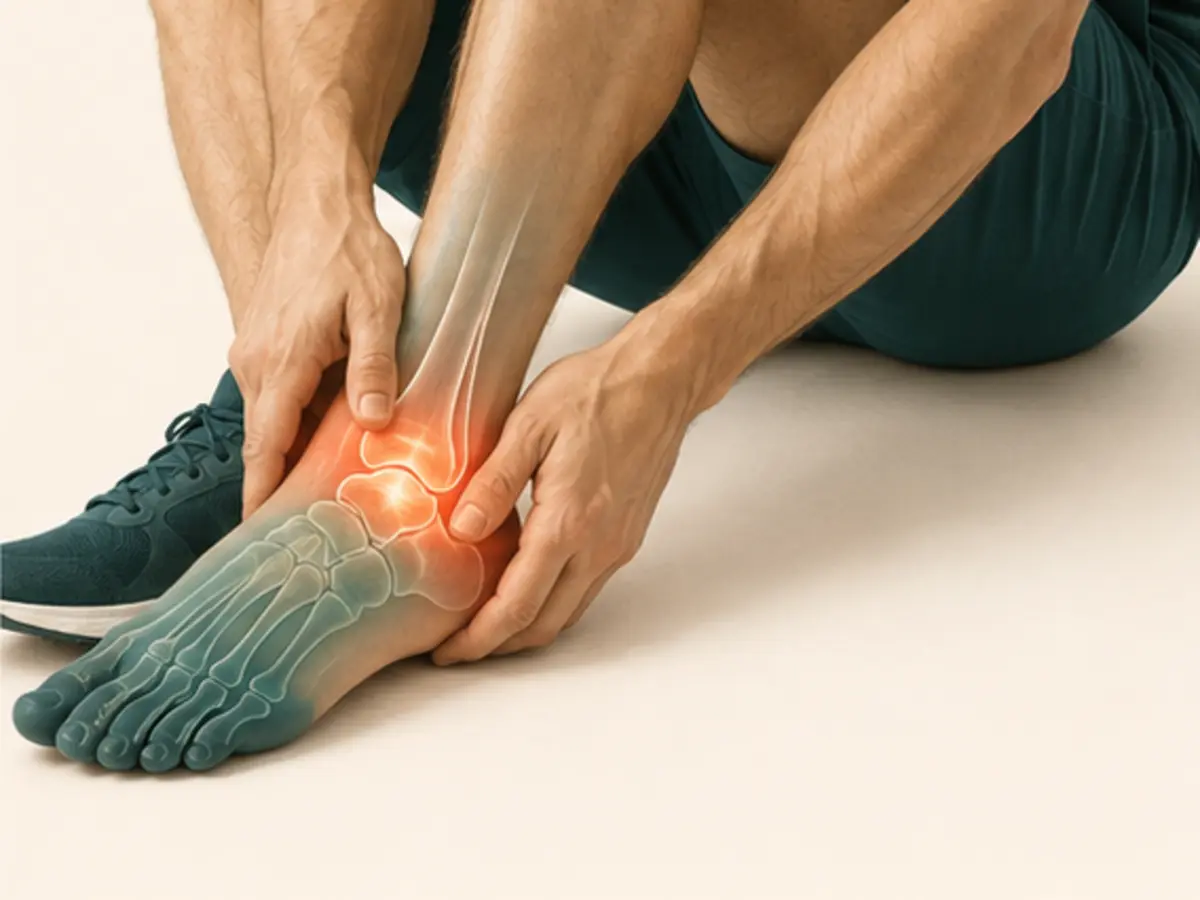
Healthcare illustration of ankle pain after activity for chiropractic care in Lehi Utah

The basics

What It Is & How Common It Is

Ankle pain commonly follows a ligament sprain but may also involve a fracture, tendon, cartilage, joint or nerve irritation.

An ankle sprain stretches or tears ligaments, while fractures and tendon or cartilage injuries may create overlapping symptoms. A previous sprain can also leave lingering weakness or reduced balance that makes another roll more likely. The examination first considers whether imaging is needed, then evaluates motion, strength, balance and readiness for the specific demands of work or sport.

Common questions

Ankle Pain FAQs

How can I tell an ankle sprain from a fracture?

Both can cause pain and swelling. Deformity, marked bone tenderness or inability to take several steps increases concern for fracture and should prompt evaluation.

Should I walk on a sprained ankle?

Comfortable, protected weight bearing may be appropriate for many sprains, but the amount depends on pain, stability and whether a fracture has been ruled out.

Why does my ankle keep rolling?

A previous sprain may leave reduced balance, strength, motion or confidence. Progressive rehabilitation should address those deficits before unrestricted cutting or jumping.

When can I return to running or sports?

A safer return usually includes comfortable walking, useful ankle motion and strength, single-leg balance, hopping and sport-specific movement without meaningful instability.

Practical next steps

What You Can Do—and How We Can Help

At home

Start With Sensible Self-Care

  • Protect the ankle from another roll
  • Use comfortable movement and weight bearing as tolerated
  • Elevate it if swelling is significant
  • Avoid cutting or jumping until control improves
At our Lehi office

Care Built Around Your Findings

  • Screen for fracture or injury needing referral
  • Assess swelling, motion, strength and balance
  • Examine the foot, knee and movement chain
  • Progress stability, hopping and return-to-sport tasks

Safety first

When to Get Medical Help Quickly

Seek prompt evaluation for deformity, severe swelling, marked tenderness over the ankle bones, numbness, a cold or pale foot, an open wound, or inability to take several steps after an injury.

A clear plan starts with an evaluation

Ready to Talk About Your Ankle Pain?

We’ll listen, assess your movement and explain whether care at our office is a good fit.