Now Accepting New PatientsAppointments available — book your first visitBook now Mon–Wed 9–5 · Fri 8–2801-893-1010
← All conditions

Hip, knee, ankle & heel · Patient guide

Knee Pain

Knee pain may involve the kneecap, tendons, meniscus, ligaments, joint surfaces or symptoms referred from another area and can affect stairs, squatting, running and pivoting.

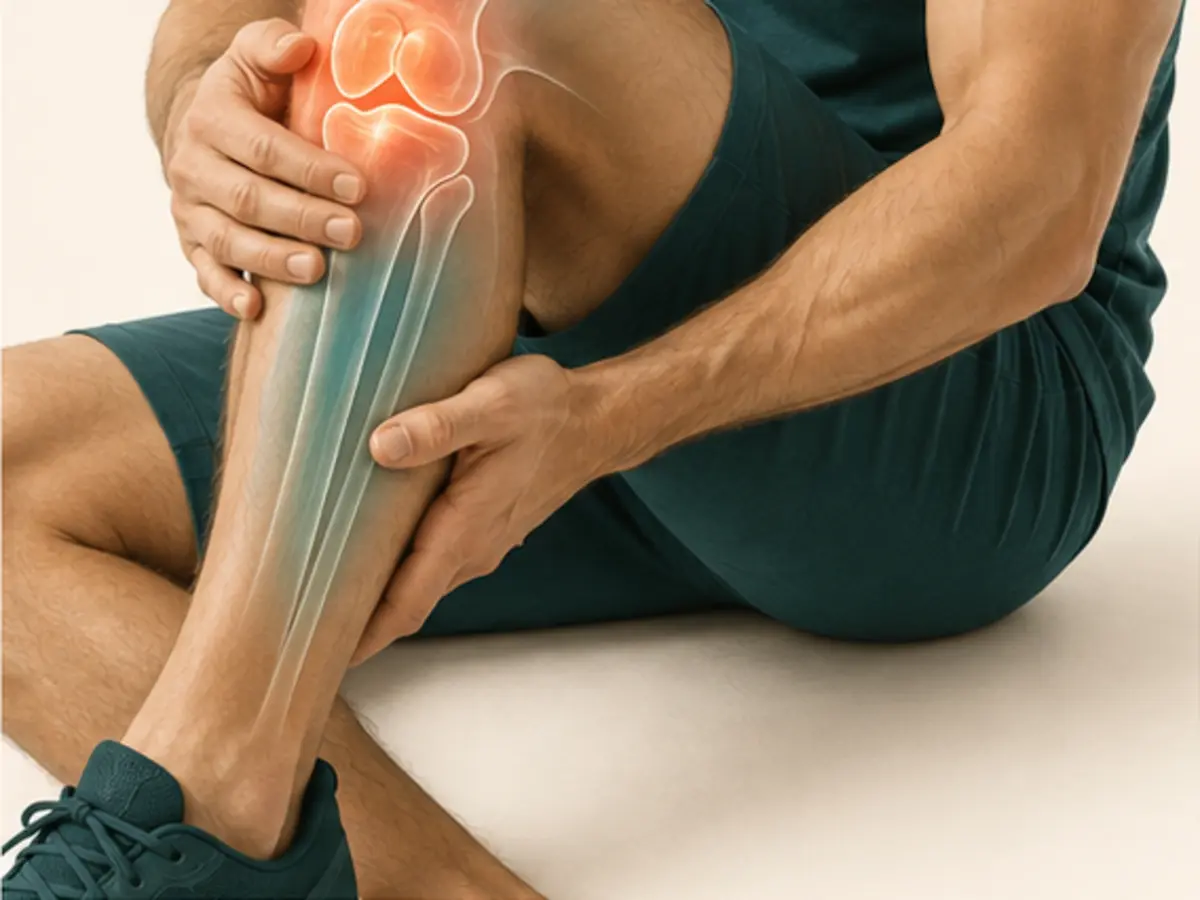
Healthcare illustration of an adult with knee pain for chiropractic care in Lehi Utah

The basics

What It Is & How Common It Is

Knee pain may involve the kneecap, tendons, meniscus, ligaments, joint surfaces or symptoms referred from another area and can affect stairs, squatting, running and pivoting.

The knee includes ligaments, menisci, tendons, cartilage and the kneecap, which means different problems can produce similar pain. How symptoms began, where swelling appears, whether the knee locks or gives way and what happens during walking, stairs or squatting provide more useful information than clicking alone. Suspected fractures or significant ligament and meniscus injuries may require imaging or orthopedic referral.

Health information source: AAOS common knee injuries

Common questions

Knee Pain FAQs

What can cause pain around the kneecap?

Training changes, repeated stairs, squatting, running and the way the hip, knee and ankle manage load can contribute. Tendons, cartilage and other structures may create similar symptoms.

Does a clicking knee mean something is damaged?

Not necessarily. Clicking without pain or swelling is different from painful locking, catching, giving way or major swelling, which deserves a more focused evaluation.

When might knee pain require imaging?

Imaging may be appropriate after significant trauma, inability to bear weight, rapid swelling, a locked knee, suspected fracture or when examination findings suggest a structural injury that would change care.

Can care help me return to running or sports?

When serious injury has been ruled out, a plan may progress from daily movement and strength to running, jumping, cutting or sport-specific tasks based on symptoms and function.

Practical next steps

What You Can Do—and How We Can Help

At home

Start With Sensible Self-Care

  • Reduce painful impact or pivoting temporarily
  • Use comfortable walking or low-impact movement
  • Avoid repeatedly testing a painful squat or twist
  • Restore strength and activity in stages
At our Lehi office

Care Built Around Your Findings

  • Assess swelling, motion, strength and stability
  • Watch walking, squatting, stairs and sport tasks
  • Screen the hip, ankle and low back
  • Use appropriate care or refer for imaging when indicated

Safety first

When to Get Medical Help Quickly

Seek prompt care for deformity, inability to bear weight after trauma, a locked knee, major swelling soon after injury, or a hot swollen joint with fever.

A clear plan starts with an evaluation

Ready to Talk About Your Knee Pain?

We’ll listen, assess your movement and explain whether care at our office is a good fit.