Now Accepting New PatientsAppointments available — book your first visitBook now Mon–Wed 9–5 · Fri 8–2801-893-1010
← All conditions

Sports, accidents & work · Patient guide

Sports Injuries

Sports injuries include sudden sprains, strains and joint injuries as well as tendon and overuse problems that build when training demand exceeds recovery and current capacity.

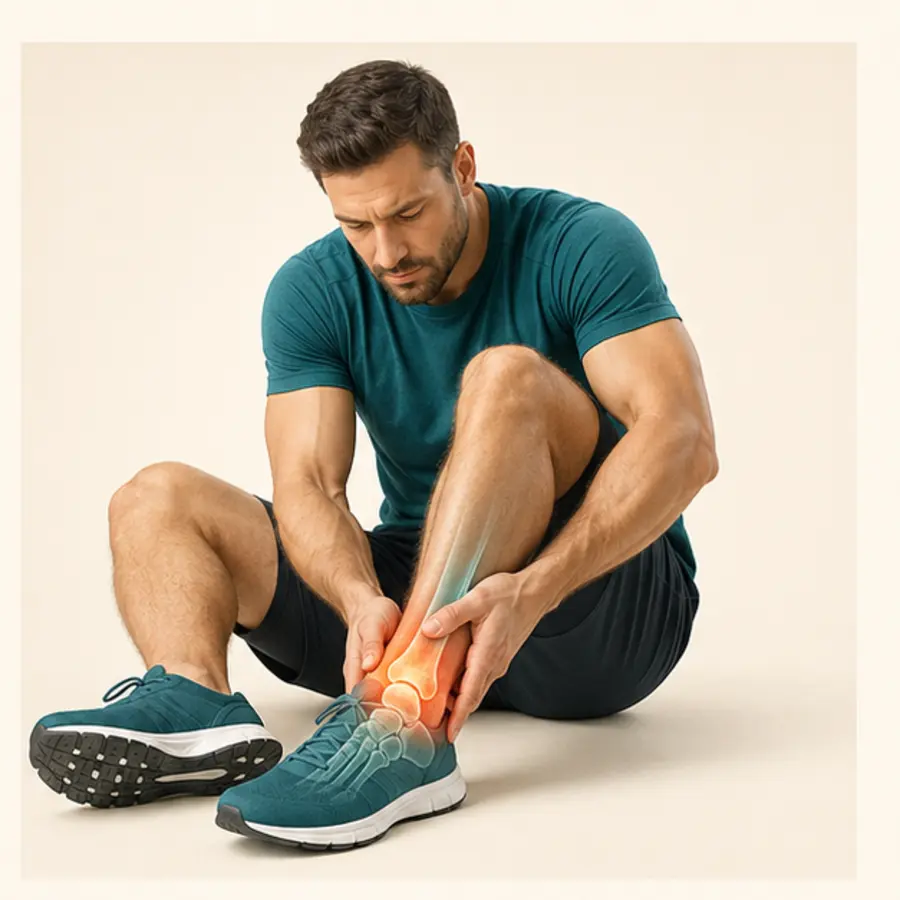
Medical illustration of sports injury rehabilitation and ankle pain care in Lehi Utah

Experience at every level of competition

Sports Chiropractic Care for Youth, College and Professional Athletes

Dr. Garrett Peterson has worked with athletes from elementary and high school through college, including patients who have competed at UVU, BYU, the University of Utah, Utah Tech and Weber State.

His experience also includes professional football, basketball, baseball and soccer players, along with MMA athletes, dancers, volleyball players, bull riders, motocross riders and professional runners. Every sport—and every athlete—places different demands on the body.

The goal is not to treat everyone like a professional athlete. It is to give each patient the same careful attention: identify what is limiting them, consider the demands of their sport and build a realistic plan for returning to practice, competition or everyday activity.

School and league names describe patients' participation only and do not imply sponsorship, endorsement or an official team relationship.

The basics

What It Is & How Common It Is

Sports injuries include sudden sprains, strains and joint injuries as well as tendon and overuse problems that build when training demand exceeds recovery and current capacity.

Sports injuries affect athletes of every age and ability. Some happen suddenly during a collision, landing or change of direction; others develop as training demand outpaces recovery and tissue capacity. Sprains, strains, tendon pain and joint injuries are common, but the sport, mechanism, swelling, strength, stability and ability to use the injured area help guide evaluation. Suspected fractures, significant ligament injuries and concussions require appropriate referral or coordinated care.

Health information source: NIAMS sports injuries

Common questions

Sports Injuries FAQs

What sports injuries can a chiropractor evaluate?

Evaluation may be appropriate for sprains, strains, tendon pain, joint pain and back or neck symptoms. Suspected fractures, significant ligament injuries and concussions require appropriate referral or coordinated care.

Do I need an X-ray or MRI after a sports injury?

Not automatically. Imaging is considered when the injury mechanism, bone tenderness, swelling, instability, neurologic findings or lack of expected progress suggests it would change the next step.

When can I return to practice or competition?

Return should be based on the injury and sport, including useful motion, strength, balance, speed, sport-specific movement and confidence—not time alone.

Do you evaluate youth and college athletes?

Yes. Dr. Garrett Peterson has treated youth, high-school, college, adult and professional athletes. Recommendations are adapted to the athlete's age, injury and sport demands.

What if my injury needs an orthopedic specialist?

If the examination suggests imaging, surgical consultation or another specialist would be more appropriate, we will explain that and help coordinate the next step.

Practical next steps

What You Can Do—and How We Can Help

At home

Start With Sensible Self-Care

  • Protect the area from another injury
  • Use relative rest and comfortable movement
  • Avoid repeatedly testing a painful maneuver
  • Return in stages rather than all at once
At our Lehi office

Care Built Around Your Findings

  • Determine whether imaging or referral is needed
  • Assess the injured area and sport-specific demands
  • Use hands-on care to support motion when appropriate
  • Build strength, speed and sport-specific confidence

Safety first

When to Get Medical Help Quickly

Urgent evaluation is needed for deformity, inability to bear weight, loss of sensation, a cold or pale limb, suspected concussion, severe swelling or uncontrolled bleeding.

A clear plan starts with an evaluation

Ready to Talk About Your Sports Injuries?

We’ll listen, assess your movement and explain whether care at our office is a good fit.