Now Accepting New PatientsAppointments available — book your first visitBook now Mon–Wed 9–5 · Fri 8–2801-893-1010
← All conditions

Sports, accidents & work · Patient guide

Auto Accident Injuries

A collision may affect the neck, back, head, shoulders, ribs and extremities—even when pain, stiffness or concussion symptoms are not immediate.

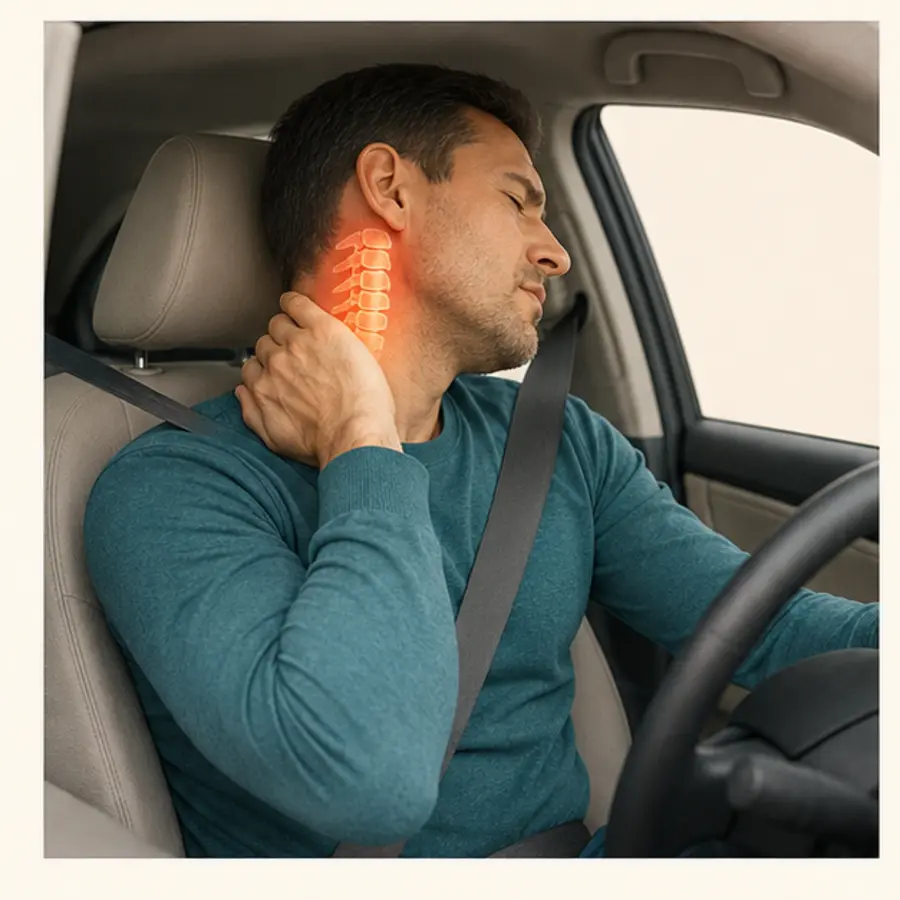
Medical illustration of auto accident neck and back injury care in Lehi Utah

The basics

What It Is & How Common It Is

A collision may affect the neck, back, head, shoulders, ribs and extremities—even when pain, stiffness or concussion symptoms are not immediate.

Motor-vehicle crashes can affect the neck, back, head, shoulders, ribs and extremities. Pain may begin at the scene or develop later as stiffness and irritation increase. Crash direction, seat-belt or airbag loading, symptom timing and possible concussion findings are important parts of the evaluation. Utah PIP is mandatory no-fault coverage and may pay reasonable and necessary medical expenses regardless of fault, subject to the policy, claim, available benefits and insurer approval. Utah currently requires at least $3,000 per person in PIP coverage.

Common questions

Auto Accident Injuries FAQs

Can symptoms begin the day after a collision?

Yes. Pain, stiffness, headache, dizziness and other symptoms may develop over the hours or days following a crash.

Can I receive care if the accident was not my fault?

Yes. In Utah, PIP is no-fault coverage, so eligible benefits may apply regardless of who caused the collision, subject to the policy, claim and available benefits.

What does Utah PIP cover?

Utah requires at least $3,000 per person in PIP coverage for reasonable and necessary expenses, including medical services. Actual payment depends on the policy, claim, available benefits and insurer review.

Do I need imaging after an accident?

Not everyone needs imaging. Crash severity, age, symptoms, neurologic findings and examination results help determine whether X-ray, CT, MRI or medical referral is appropriate.

Can you work with my attorney or other providers?

Yes. We can coordinate records and care with your attorney and other healthcare providers, or discuss a referral when legal or medical help may be useful.

When should I go directly to the emergency room?

Call 911 for increasing drowsiness, confusion, repeated vomiting, seizure, weakness, slurred speech, breathing difficulty, uncontrolled bleeding or severe or worsening head, neck, chest or abdominal pain.

Practical next steps

What You Can Do—and How We Can Help

At home

Start With Sensible Self-Care

  • Seek medical help based on crash severity and symptoms
  • Write down symptoms and functional changes
  • Use gentle movement only as advised
  • Do not ignore new neurologic or concussion symptoms
At our Lehi office

Care Built Around Your Findings

  • Review crash direction, restraints and symptom timeline
  • Complete safety, neurologic and orthopedic screening
  • Document functional limitations and the care plan
  • Coordinate with other providers or attorneys when appropriate

Safety first

When to Get Medical Help Quickly

Call 911 for severe trauma, increasing drowsiness, confusion, repeated vomiting, seizure, weakness, slurred speech, difficulty breathing, uncontrolled bleeding or severe or worsening head, neck, chest or abdominal pain.

A clear plan starts with an evaluation

Ready to Talk About Your Auto Accident Injuries?

We’ll listen, assess your movement and explain whether care at our office is a good fit.