Now Accepting New PatientsAppointments available — book your first visitBook now Mon–Wed 9–5 · Fri 8–2801-893-1010
← All sports & activities

Performing arts injury care · Lehi, Utah

Dance, Ballet & Gymnastics Injury Care in Lehi

Dance, ballet and gymnastics combine mobility, strength, control, repeated landings and high training volume. Care should respect both the athlete’s symptoms and the precise movements their discipline requires. Dr. Garrett Peterson also serves as the chiropractor for Utah Festival Ballet, giving him firsthand experience with the demands of ballet training, rehearsal and performance.

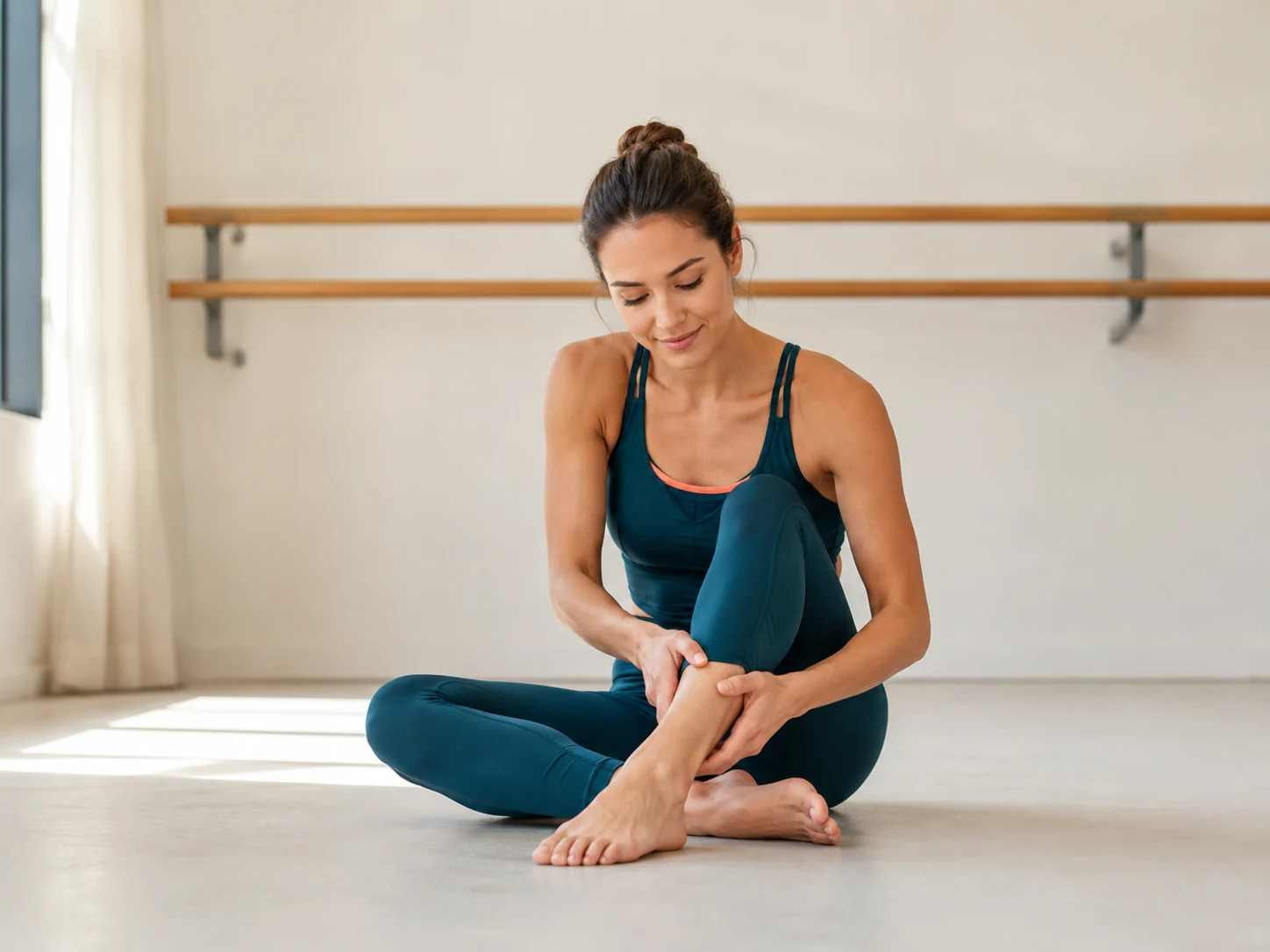
Adult dancer holding her ankle in a studio for dance ballet and gymnastics injury chiropractic care in Lehi Utah

What the activity demands

Why This Activity Can Challenge the Body

Injury rarely comes down to one “bad” movement. Symptoms often reflect a combination of workload, recovery, previous injury and the specific positions or forces the activity requires.

  • Repeated jumps, landings and single-leg work
  • Large ranges of hip and spinal motion
  • Pointing, relevé and foot control
  • Long rehearsals with high technical repetition
Common concerns

Injuries We Commonly Evaluate

These are examples—not a diagnosis. Similar symptoms can come from different tissues or conditions.

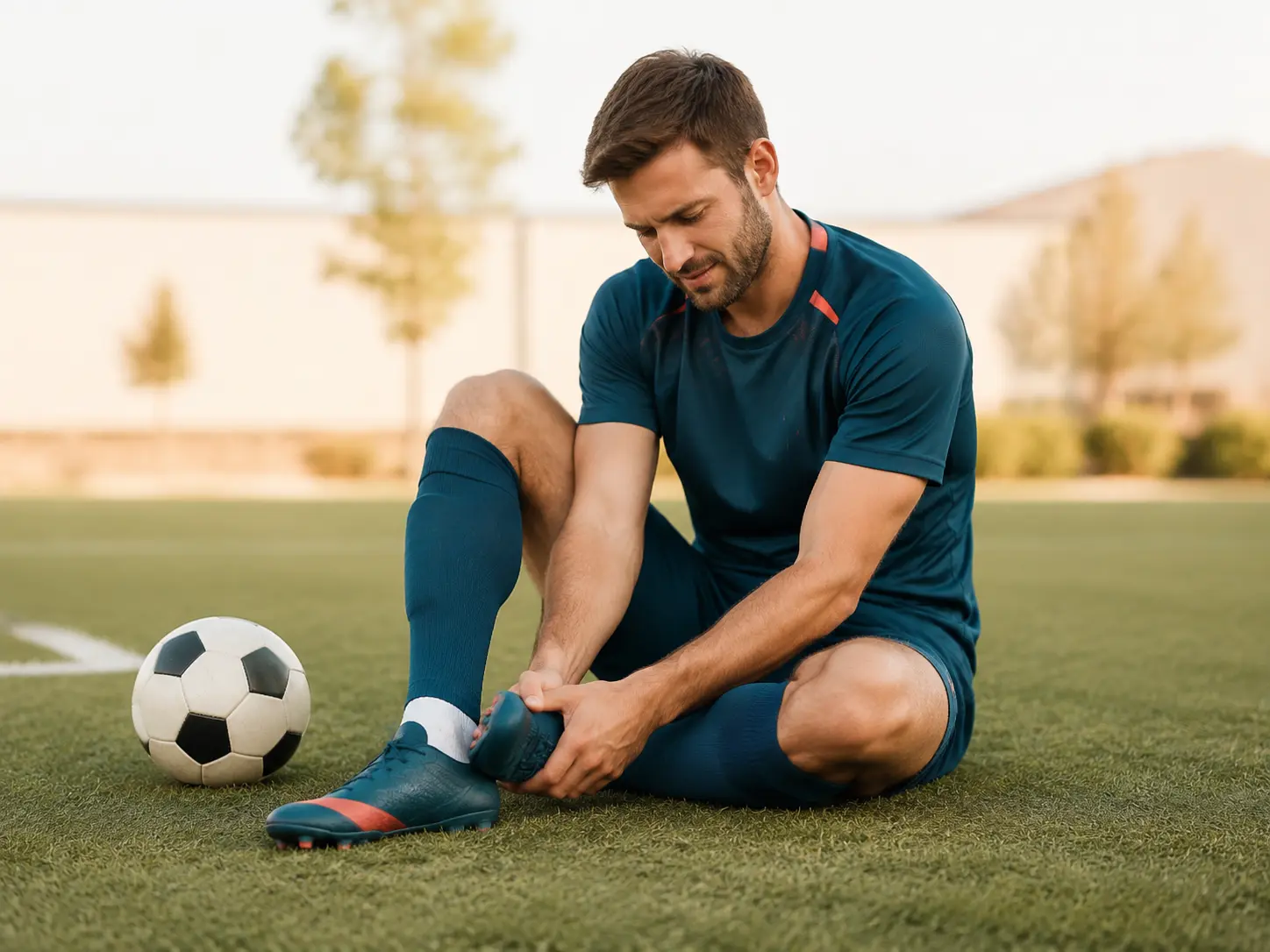
Foot and ankle pain

Landings, pointe work and repeated calf loading can irritate joints, tendons or bone.

A practical plan

What You Can Do—and How Chiropractic Care May Help

At home

Start With Sensible Load Management

  • Tell a parent, coach or instructor when pain changes technique
  • Modify the painful movement rather than forcing range
  • Maintain comfortable conditioning that does not worsen symptoms
  • Avoid aggressive stretching into sharp, pinching or bone-like pain
At our Lehi office

Care Based on Your Findings

  • Screen for stress injury, instability and conditions needing referral
  • Assess the exact movement or position that provokes symptoms
  • Use age- and finding-appropriate manual care
  • Progress strength, control, landing and performance-specific exposure

Returning to activity

Build Back in Stages

Feeling better is important, but returning well also involves motion, strength, sport-specific tolerance and confidence.

General health information: American Academy of Pediatrics: Dance Injuries

  1. 1Normal walking, stairs and daily activity are comfortable
  2. 2Required range is controlled rather than forced
  3. 3Landings and repeated skills remain consistent under fatigue
  4. 4Training volume increases before full performance intensity

Safety first

When to Get Medical Help Quickly

Prompt medical assessment is important for focal bone pain, pain at night, inability to bear weight, a visibly deformed joint, numbness or weakness, loss of bladder or bowel control, or symptoms following a head injury.

Start with an evaluation

Ready to Get Back to Your Activity?

We will listen, assess the concern and explain whether care at our office is a good fit.