Now Accepting New PatientsAppointments available — book your first visitBook now Mon–Wed 9–5 · Fri 8–2801-893-1010
← All sports & activities

Contact-sport injury care · Lehi, Utah

Football & Contact-Sport Injury Care in Lehi, Utah

Football and other contact sports combine sprinting, cutting, lifting and collisions. A good evaluation separates problems appropriate for conservative care from injuries that need imaging, emergency care or specialist referral.

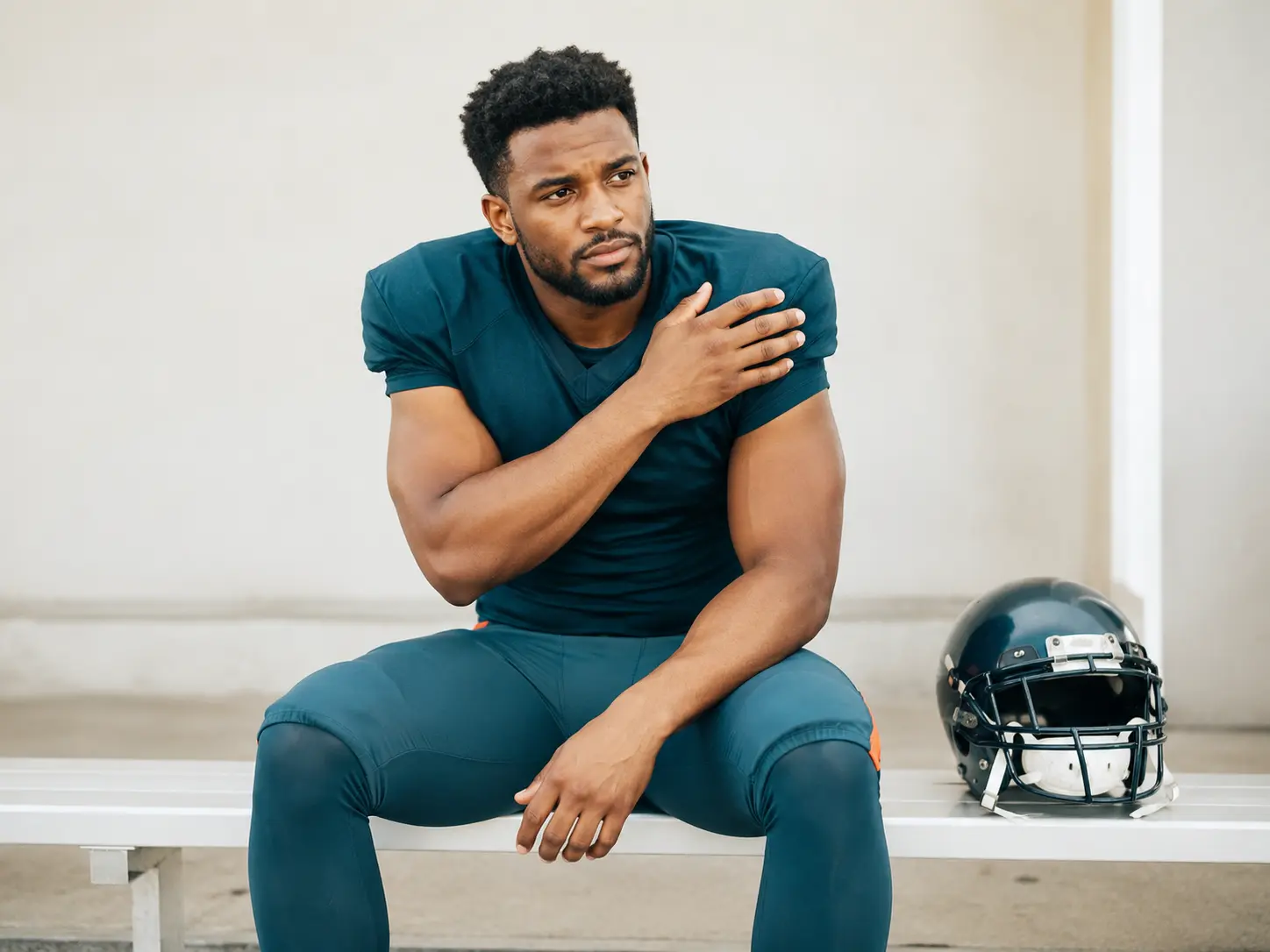
Adult football player holding his shoulder after practice for contact sport injury chiropractic care in Lehi Utah

What the activity demands

Why This Activity Can Challenge the Body

Injury rarely comes down to one “bad” movement. Symptoms often reflect a combination of workload, recovery, previous injury and the specific positions or forces the activity requires.

  • High-speed contact and tackling
  • Acceleration, cutting and blocking
  • Heavy strength and power training
  • Repeated impacts across a season

Common questions

Football & Contact Sports Injury FAQs

Can a chiropractor evaluate a football injury?

Yes. We can evaluate many joint, muscle, tendon, neck and back concerns and determine whether conservative care is appropriate. Suspected fracture, instability, concussion or another serious injury is referred for the appropriate medical care.

Can chiropractic care treat a concussion?

A suspected concussion requires appropriate medical evaluation and a supervised return-to-sport process. We screen for warning signs and refer or coordinate care; spinal adjustment is not presented as a treatment for concussion.

What is a burner or stinger?

A burner or stinger can cause sudden burning, electric pain, tingling or weakness from the neck or shoulder into an arm after contact. An athlete should not return while neck pain, weakness or neurologic symptoms remain.

When might a shoulder injury need imaging?

Imaging may be appropriate after major contact, obvious deformity, inability to lift the arm, marked weakness, suspected dislocation or fracture, or when examination findings suggest it would change treatment.

When can an athlete return to contact?

Return depends on the injury. The athlete should have appropriate clearance when required, useful motion and strength, sport-specific tolerance and a staged progression from drills to controlled practice before unrestricted contact.

Do you evaluate youth and high-school football players?

Yes. Recommendations account for age, growth, position, injury findings and school or league requirements. Younger athletes may need referral when a growth-plate injury is possible.

Common concerns

Injuries We Commonly Evaluate

These are examples—not a diagnosis. Similar symptoms can come from different tissues or conditions.

Concussion

Headache, dizziness, confusion or balance changes after impact require immediate removal from play and appropriate medical evaluation. The related guide explains headache warning signs; it is not a substitute for concussion care.

Read the related condition guide →

Burners, stingers and fractures

Burning or electric arm symptoms may involve nerves in the neck or shoulder. Fractures—including growth-plate injuries in younger athletes—need prompt medical care.

Read the related condition guide →

A practical plan

What You Can Do—and How Chiropractic Care May Help

At home

Start With Sensible Load Management

  • Stop play after a suspected concussion or unstable injury
  • Do not test a painful collision injury with more contact
  • Use comfortable movement only when serious injury has been excluded
  • Follow the school or league return-to-play process
At our Lehi office

Care Based on Your Findings

  • Perform orthopedic and neurologic screening within chiropractic scope
  • Refer promptly when fracture, instability or concussion is suspected
  • Address relevant joint motion and soft-tissue restrictions
  • Build a staged strength and sport-specific return plan

Returning to activity

Build Back in Stages

Feeling better is important, but returning well also involves motion, strength, sport-specific tolerance and confidence.

General health information: CDC HEADS UP

  1. 1Medical clearance when concussion or significant injury requires it
  2. 2Full daily function and sport-relevant motion
  3. 3Strength, change of direction and contact preparation
  4. 4A gradual progression from individual drills to controlled, noncontact practice and then full contact when cleared

Safety first

When to Get Medical Help Quickly

Call 911 or seek emergency care for loss of consciousness, worsening confusion, repeated vomiting, seizure, severe neck pain, weakness or numbness, breathing difficulty, an obviously deformed limb, or rapidly worsening symptoms after impact.

Start with an evaluation

Ready to Get Back to Your Activity?

We will listen, assess the concern and explain whether care at our office is a good fit.